How can physical activity
help you?

Are you doing enough muscle strengthening activities?
Alongside doing at least 150 minutes of physical activity a week, the Chief Medical Officer also recommends adults should do muscle strengthening activities on at least two days a week. (Sport England, Active Lives, Adult Survey Nov 20/21 Report, Published Apr 2022) Also recommended by the NHS and WHO 🏋🏾♀️https://www.sportengland.org/know-your-audience/data/active-lives 💪https://www.nhs.uk/live-well/exercise/exercise-guidelines/physical-activity-guidelines-for-adults-aged-19-to-64/ Why? Reduce Your Health…

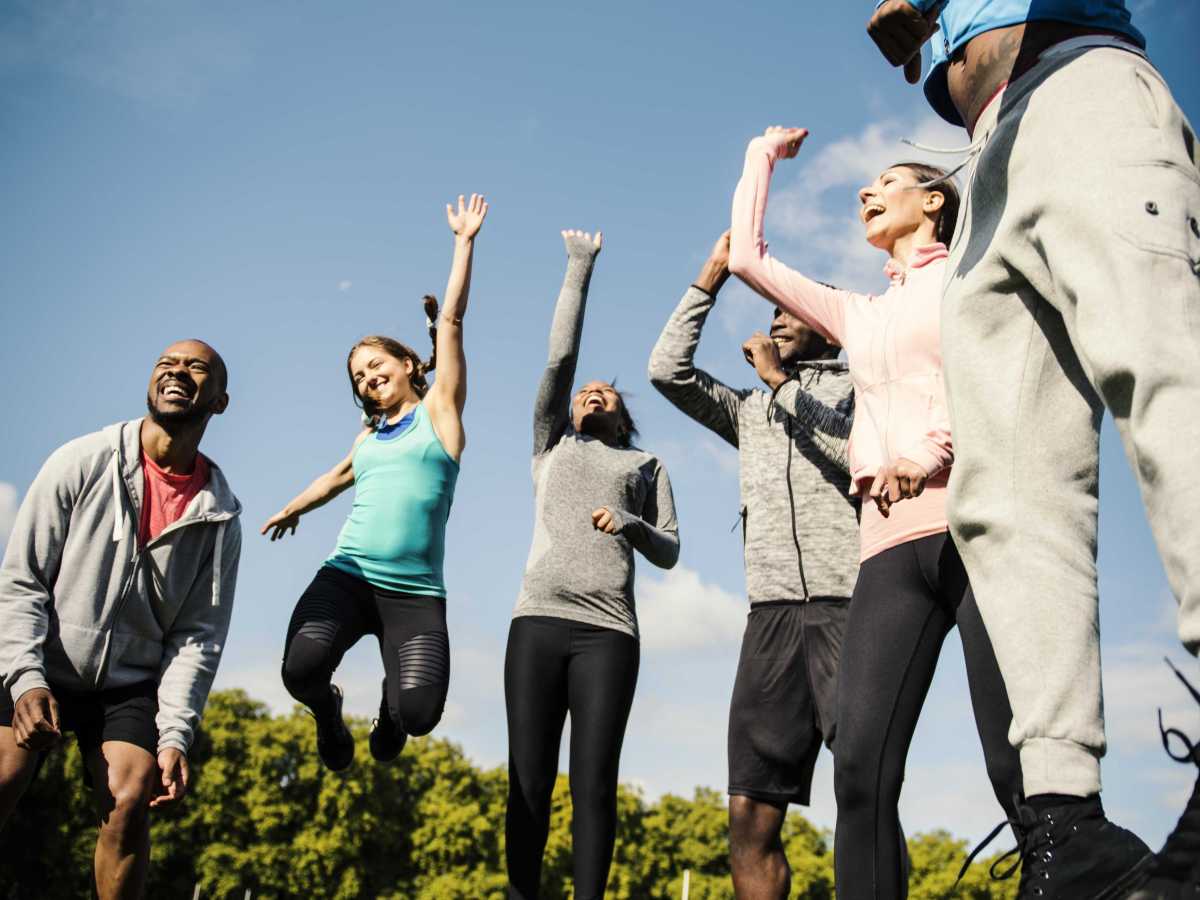
Workplace wellness programme shown to significantly improve several domains of psychological wellbeing
This was a 3 month exercise and nutrition programme for employees of the University of California, Los Angeles (UCLA). Significant improvements were found in multiple domains of physical and mental well-being. The study was found to improve the following seven domains: physical health, mental health, stress, energy level, social satisfaction, self-efficacy and quality of life.…
Working from home? Why exercising as little as 15 minutes DURING the workday can boost cognitive abilities …
Exercise during the day and you’ll look better, feel better and even work better. These benefits have long been known.Full article 🏠 https://t.co/6ldhTSYmQy?amp=1
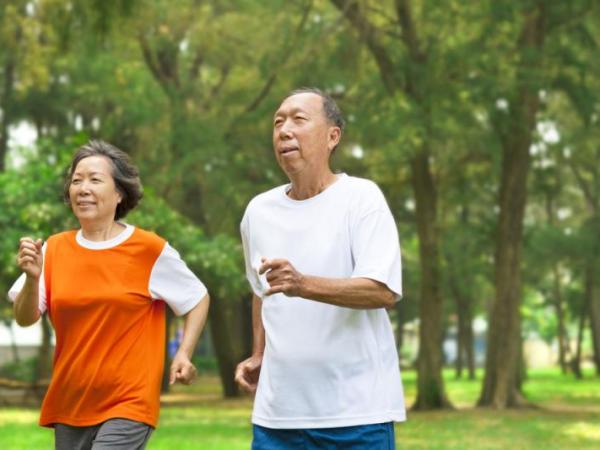
We know that eating right and exercising can help stave off cognitive decline…
We know that eating right and exercising can help stave off cognitive decline—but it’s not always clear what that means, exactly. Luckily, new research offers more specific guidelines.Full article 😋 https://www.psychologytoday.com/us/blog/adult-development-through-the-lifespan/201907/avoiding-alzheimer-s

Why Rewards Are Destroying Your Motivation
Sometimes you need that nudge to motivate you. It’s easy to find an app or program that rewards you for doing an activity (like exercise) with money, cool products, and badge/point prizes. If there’s a reward (or consequence) at the end, you’ll work harder and be more motivated to do the activity, right? Wrong. Well,…

Working from home? Why exercising as little as 15 minutes DURING the workday can boost cognitive abilities …
Exercise during the day and you’ll look better, feel better and even work better. These benefits have long been known.Full article 🏠 https://t.co/6ldhTSYmQy?amp=1

7 reasons to exercise during your lunch break
Skipping your lunch break actually makes you less productive, not more. Here are seven reasons why using those 60 minutes to boost your fitness is one of the most positive things you can do…Full article 🍱 https://www.redbull.com/gb-en/lunch-break-workout-benefits

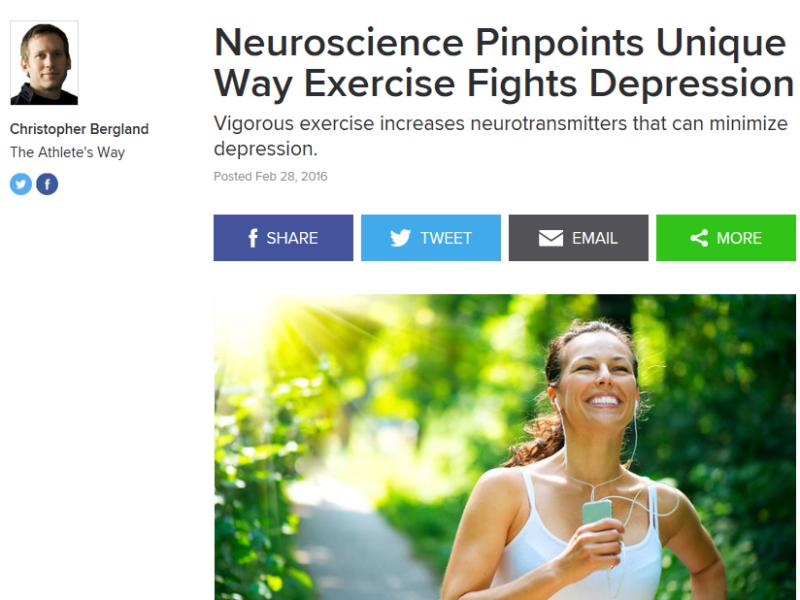
Neuroscience Pinpoints Unique Way Exercise Fights Depression
Major depressive disorder is often characterized by depleted glutamate and GABA, Studies show that exercise activates the metabolic pathway that replenishes these neurotransmitters. Vigorous exercise between 80 – 85% of max heart rate increases production of these neurotransmitters which help regulate psychological and emotional wellbeing. Exercise can be used to self-medicate as it stimulates the…
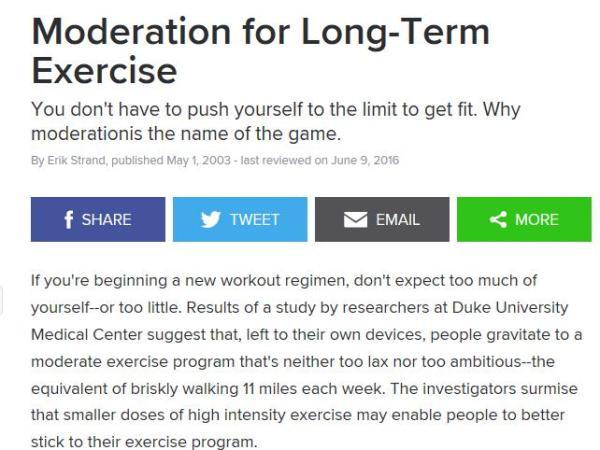
Moderation for Long Term Exercise
A study from Duke university has concluded that shorter, sharper sessions of higher intensity exercise e.g HIIT training help’s adults to better stick to a longer term exercise programme. It appears that adults prefer to do a higher intensity work out for fewer minutes rather than a low intensity work out for a longer period…
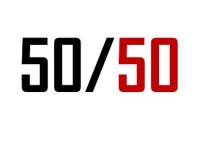
The 50/50 rule – people who engage in 50 minutes of exercise a week have 50% less chance of being depressed.
“Our data show that 30 minutes of aerobic exercise three times a week is sufficient for reducing depressive symptoms” Full article 👩🏼🤝👩🏿 https://www.psychologytoday.com/gb/articles/200112/the-best-dose-exercise

Having an exercise partner who offers emotional support is the key to exercising more frequently.
“Our results showed that the emotional social support from the new sports companion was the most effective.” Full article 🎎 https://www.sciencedaily.com/releases/2016/10/161004081548.htm

Exercising with others can better improve your mental and physical health than exercising solo.
After 12 weeks, those who were participating in the group fitness class showed significant improvement in their mental quality of life. Group fitness classes can lead to friendships, and friendships are fundamental for stable mental health. Full article 🧑🏿🤝🧑🏻 https://www.bustle.com/p/is-it-better-to-work-out-in-a-group-5-benefits-of-exercising-with-pals-instead-of-on-your-own-3201376
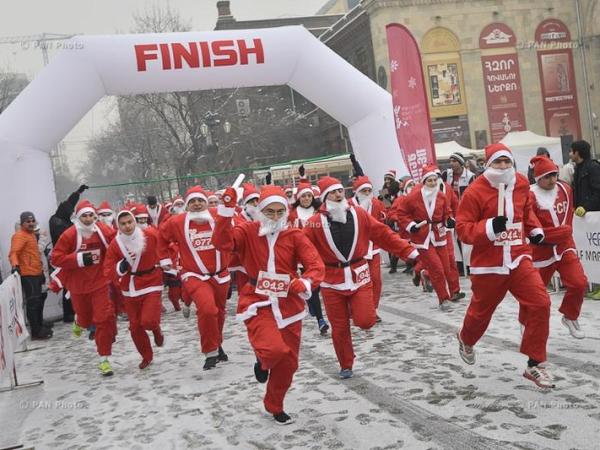

Exercising with your partner can improve your health, fitness and relationship.
In sum, fitness can be about you, or it can be about you and your partner, so why not share this aspect of your lives, either regularly or just on occasion, and discover how doing so might give your relationship a new dimension and new life. Full article 🤼 https://www.psychologytoday.com/us/blog/meet-catch-and-keep/201401/5-reasons-why-couples-who-sweat-together-stay-together
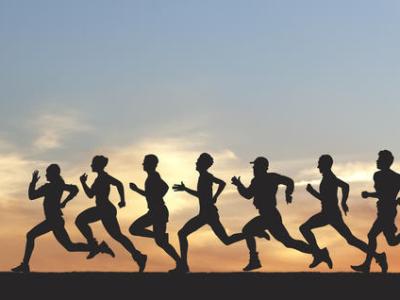
Healthy competition with yourself and others within exercise groups found to be a highly effective source of motivation to exercise more.
Competition appears to trigger a ratcheting-up of physical activity levels that creates an upward spiral within an entire peer group, according to the researchers. Within a competitive framework, each person’s activity raises the bar for everyone else and creates a contagious chain reaction marked by increased levels of physical activity for the entire group. Conversely, too much social…

Increased PhysicalActivity may help fight depression in seniors stimulating muscle-generated mood boosters
Earlier research has shown that physical activity may help to ‘turn on’ genes within skeletal muscle which can then influence the key metabolic pathways that ultimately promote mood-enhancing chemicals, such as serotonin, within the brain. Muscle loss is a common problem in the elderly which may restrict that pathway and therefore increase the risk for…
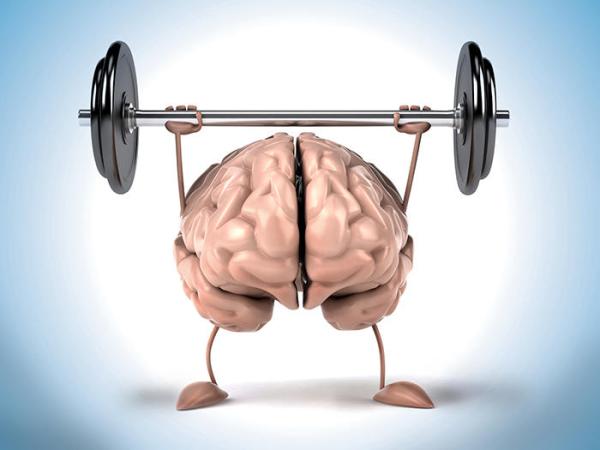
Regular exercise found to counteract brain degeneration and atrophy.
You don’t have to become an exercise fanatic to reap the brain benefits of moving your body. Moderate intensity aerobic activity—such as walking for 30 minutes most days of the week—can help protect your brain from shrinking and keep you sharp. Full article 🧠 https://www.psychologytoday.com/gb/blog/the-athletes-way/201511/how-does-exercise-protect-your-brain-degeneration
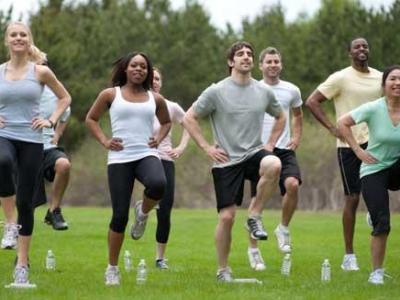
People gravitate towards the workout intensity of those around them.
So, when exercising next to high fit people working out hard you try to keep up with them while exercising next to lower fit people tends to slow you down. And not surprisingly, you tend to enjoy your exercise more when you do it outside compared to exercising indoors. Full article 🤝 https://www.scu.edu/illuminate/thought-leaders/thomas-plante/why-your-exercise-environment-matters.html
The link between cardiovascular health and brain health
If a patient has a problem with the function of the heart or blood vessels, this could prevent adequate blood flow supply to the brain and eventually affect brain function and cognition. We know that patients with congestive heart failure have higher incidence of dementia.Full article 💖 https://www.acsm.org/home/featured-blogs—homepage/acsm-blog/2019/02/22/heart-health-brain-health-connection
New study shows keeping active in middle age may be tied to lower risk of dementia
The women who were physically active were 52 percent less likely to develop dementia with cerebrovascular disease and 56 percent less likely to develop mixed dementia than the women who were inactive.Full article 🚴♀️ https://www.sciencedaily.com/releases/2019/02/190225145650.htm
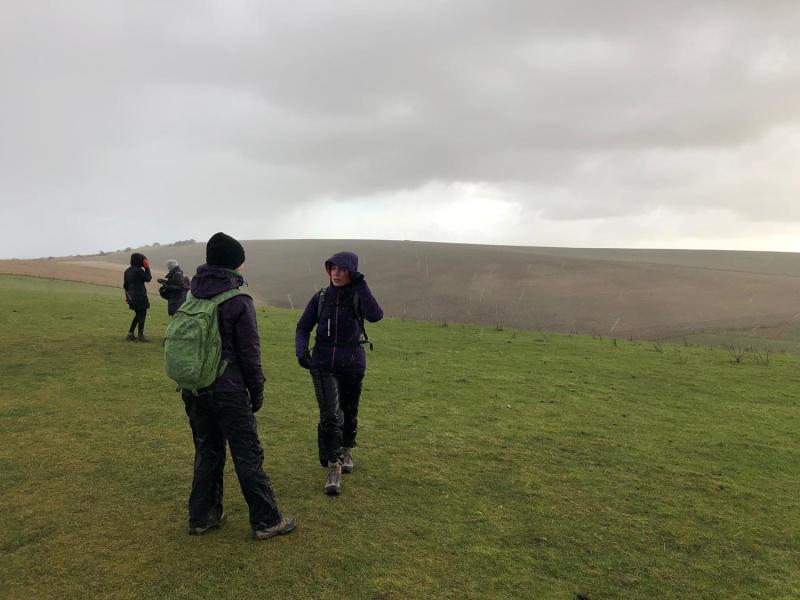
It’s easy to get outside when the weather is glorious, but what about when it’s horrible out there?
…Eventually The Stinging Hail Storm Passed And The Sun Beamed Through The Breezy Lead Clouds. We Wrung Out Our Hats And Gloves, And Continued On, Drying Out As We Walked And Chatting Away Happily. We All Agreed That Our Walk Felt All The More Rewarding Because We Persevered Through The Inauspicious Start. There Are Even More Bonuses To Exercising Outdoors In…

There is mounting evidence that spending time in nature makes us healthier and happier
“We found that spending time in, or living close to, natural green spaces is associated with diverse and significant health benefits. It reduces the risk of type II diabetes, cardiovascular disease, premature death, and preterm birth, and increases sleep duration…”Full article 🌳 https://www.sciencedaily.com/releases/2018/07/180706102842.htm

How does physical activity effect those around you ?
On average, we find that subjects exposed to physical activity exhibit more trust and pro-social behaviors than those who are not exposed. These effects are not temporary.Full article 🧘 https://www.researchgate.net/publication/317369017_The_Effects_of_Physical_Activity_on_Social_Interactions_The_Case_of_Trust_and_Trustworthiness

How the workplace is changing and how you can keep up!
“…it was because we all had a bond that’s created through a ‘work’ environment of hard work, team cohesion and fun. This was achieved through many means but one big one was exercise.”Full article 👷🏽 http://insights.befearsome.com/post/102fg7c/how-the-workplace-is-changing-and-how-you-can-keep-up

Regular exercise found to counteract brain degeneration and atrophy.
You don’t have to become an exercise fanatic to reap the brain benefits of moving your body. Moderate intensity aerobic activity—such as walking for 30 minutes most days of the week—can help protect your brain from shrinking and keep you sharp. Full article 🧠 https://www.psychologytoday.com/gb/blog/the-athletes-way/201511/how-does-exercise-protect-your-brain-degeneration

Motivation and the first steps toward physical activity
Helping those uninterested and unmotivated to get started…Monitor, Review, Set a Goal, Choice…University of Helsinki study here 🏋🏼♂️ https://practicalhealthpsychology.com/2019/01/motivation-and-the-first-steps-toward-physical-activity/

7 reasons to exercise during your lunch break
Skipping your lunch break actually makes you less productive, not more. Here are seven reasons why using those 60 minutes to boost your fitness is one of the most positive things you can do…Full article 🍱 https://www.redbull.com/gb-en/lunch-break-workout-benefits
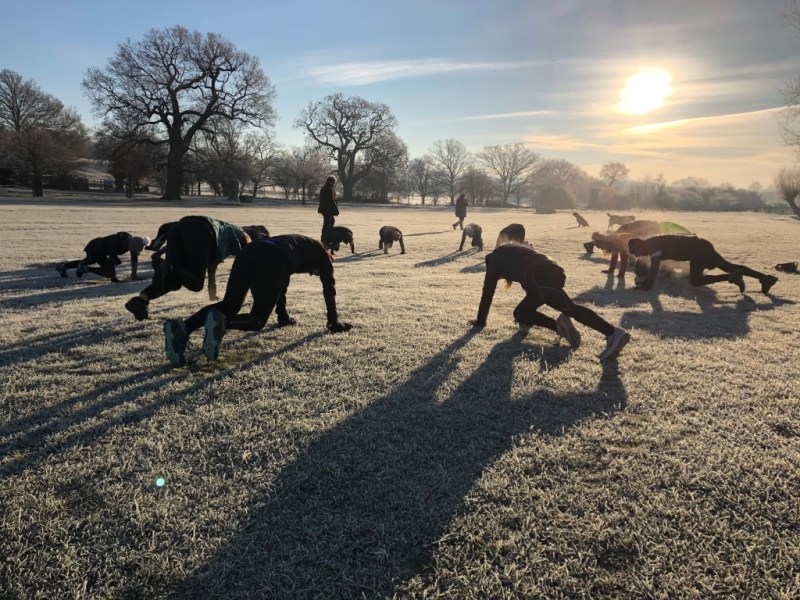
Setting goals and staying motivated during January 💪🏼🏃🏽♂️🏃🏽♀️
Set Objective and Subjective Goals Objective goals focus on quantitative outcomes—tangible aspects of exercise or fitness that we can measure and see. Subjective goals focus on qualitative outcomes—feelings or perceptions we want to experience in regard to exercise. Subjective goals are important because they help uncover the root “why” of our objective goals. Focus Inward:…

The wonders of winter workouts ❄️
Cold weather workouts may help improve endurance 🏃🏽♀️, help burn more fat 🔥, plus help get you more exposure to sunlight helping to ward of seasonal affective disorder 🌞. For more benefits full article available here 👉🏼 https://www.health.harvard.edu/staying-healthy/the-wonders-of-winter-workouts
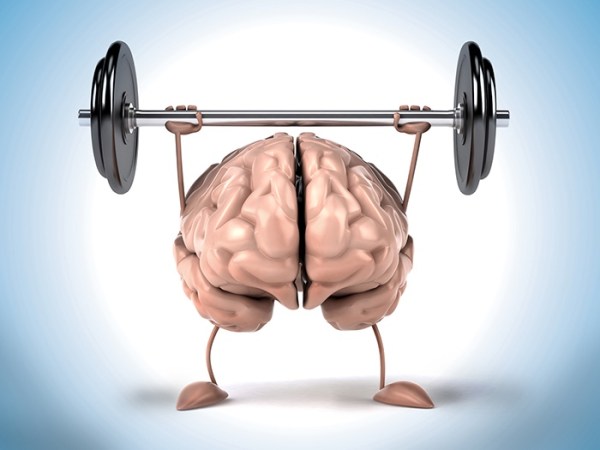
How to look after your mental health using exercise
Did you know that physical activity is also beneficial for your mental health and wellbeing? We need to change the way we view physical activity in the UK in order not to see it as something we ‘have to do’, but something that we do because we personally value its positive benefits to our wellbeing.…
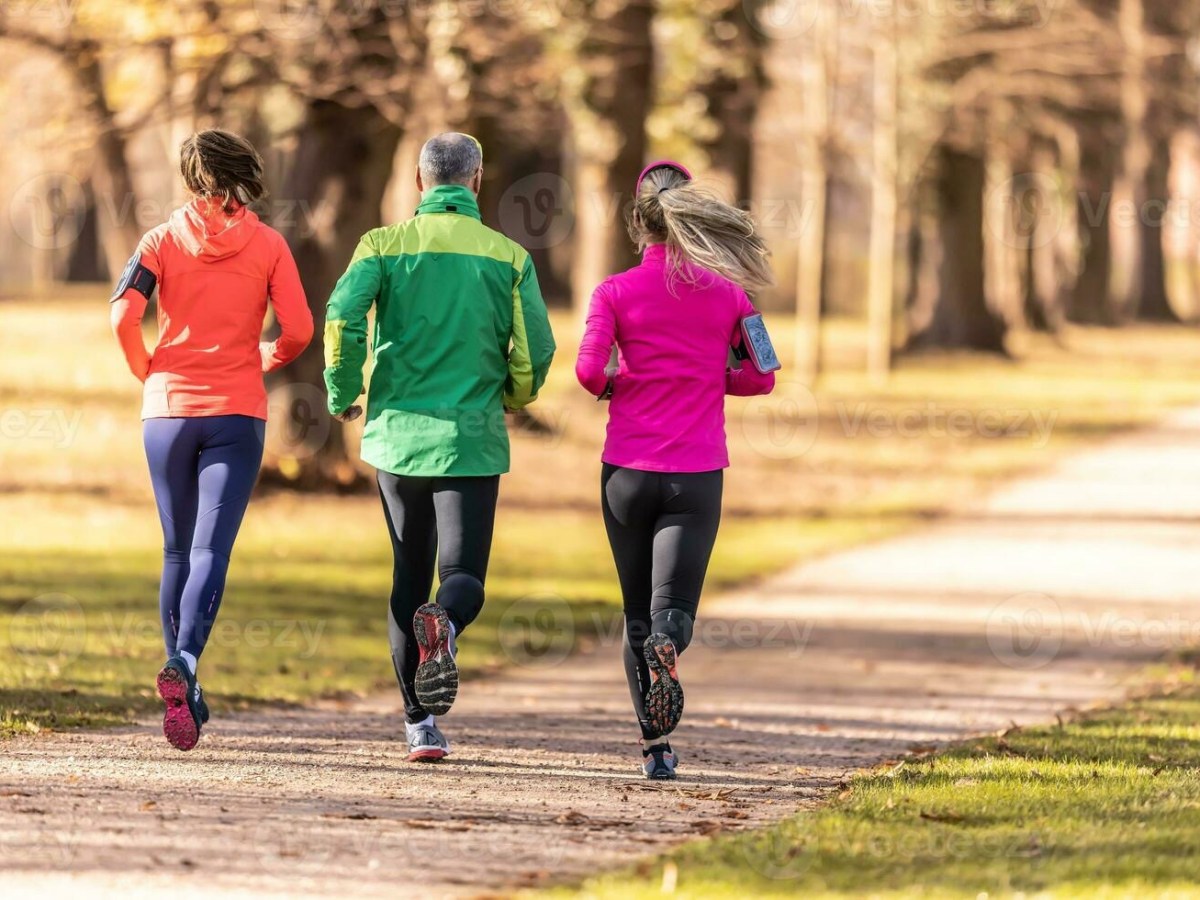
22 minutes of exercise per day ‘can offset negative impact of sitting down’
Experts found that people who sit for long periods – such as in an office job or watching TV – are more likely to die earlier, but moderate-to-vigorous physical activity (MVPA) eliminates this risk. Examples of moderate activity include very brisk walking (4mph or faster), heavy cleaning such as washing windows or mopping, cycling at…

Are you doing enough muscle strengthening activities?
Alongside doing at least 150 minutes of physical activity a week, the Chief Medical Officer also recommends adults should do muscle strengthening activities on at least two days a week. (Sport England, Active Lives, Adult Survey Nov 20/21 Report, Published Apr 2022) Also recommended by the NHS and WHO 🏋🏾♀️https://www.sportengland.org/know-your-audience/data/active-lives 💪https://www.nhs.uk/live-well/exercise/exercise-guidelines/physical-activity-guidelines-for-adults-aged-19-to-64/ Why? https://www.cdc.gov/physicalactivity/basics/pa-health/index.htm Getting Started…

Can physical activity improve prosocial behaviour?
Regular physical activity in adults can promote good health, improve cognitive function, and prevent disease. Abundant research from the health and exercise science literature also presents empirical evidence of positive “non-health effects” induced by physical activity or sports participation. Among the non-health effects, physical activity improves life satisfaction, happiness, subjective well-being, mental health, and interpersonal…

How a charity challenge can help your fitness goals
According to experts, having a goal to work towards can give new direction and help push you towards achieving new skills and benchmarks in your workouts. When we start exercising, we often do it for external reasons such as wanting to change our weight or the way we look. But finding other, more meaningful, motivations…
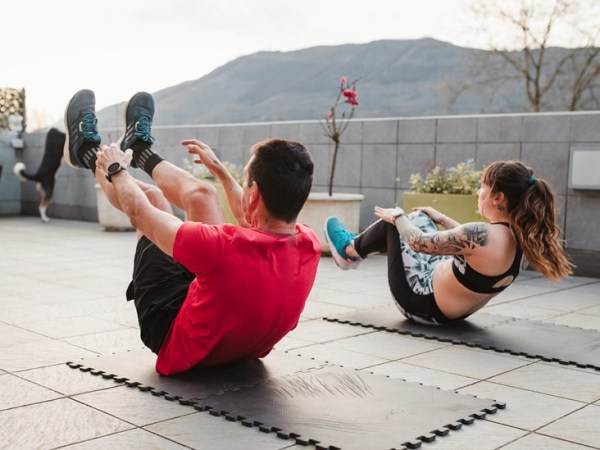
7 Benefits Of Having A Workout Partner
1. Staying Motivated 💪🏼 All we need is a little bit of encouragement to help us push out that last rep, run that bit faster, go the extra mile, or hang in there for another minute, Having a workout partner can help inspire you to keep going and get even better. 2. Friendly Competition 🏃♀️🏃♂️…

Outdoor natural environments labelled as ‘natural medicine’…
Outdoor natural environments labelled as ‘natural medicine’, providing physical activity levels with lower levels of perceived exertion, stress reduction, restoring mental, fatigue, improving mood, self-esteem and perceived health.Full article 🌳 https://extremephysiolmed.biomedcentral.com/articles/10.1186/2046-7648-2-3

HIIT training found to reduce the ageing process due to the changes it creates at cell level.
Mayo Clinic researchers found there’s nothing like HIIT to stave off the aging process, thanks to changes it creates at the cell level, effects that can’t be achieved with any kind of medicine. What’s more, as positive as the changes were for younger people studied, they were even greater among people over 65. https://www.usnews.com/news/health-news/articles/2019-06-18/is-interval-training-the-fountain-of-youth

What are you looking to achieve from your exercise session ?
University study concludes exercising solo or with a P.T is best for stress management, contemplation and relaxation whereas working out in a group is better for energizing and waking up. Full article can be found here 👉🏽 https://www.scu.edu/illuminate/thought-leaders/thomas-plante/why-your-exercise-environment-matters.html

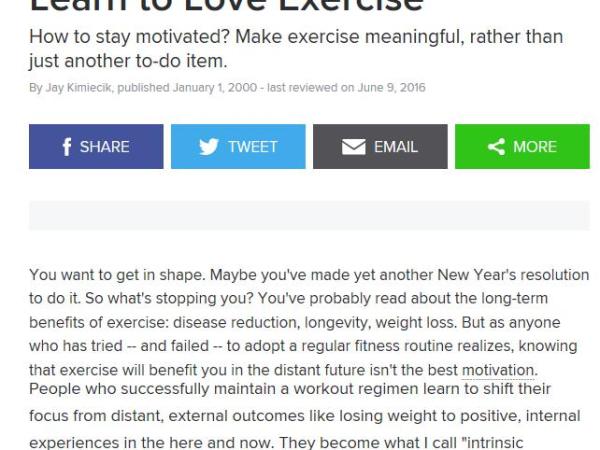
Learn to Love Exercise
• Shift your mindset from extrinsic motivation to Intrinsic motivation. Focusing on the inner/personal rewards gained from exercise. • Monitor improvements for your own personal goals. Rather than comparing yourself against other gym members. • Link exercise to other areas of life. E.g. going to the gym to socialise or for stress relief and the…
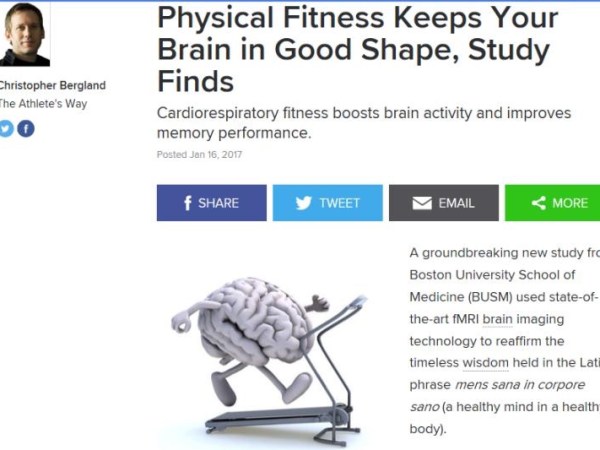
Regular exercise can increase the strength of your brain as well as your muscles…
Regular exercise can increase the strength of your brain as well as your muscles… UCLA researchers found physical activity increases the size of the hippocampus, the part of the brain associated with learning and memory. Suggesting the long term physical affects of exercise doesn’t simply alter the physiology of your muscles but also the physiology…
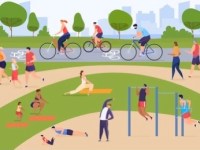
Study shows exercise is even more effective than counselling or medication for depression
A recent study published in the British Journal of Sports Medicine reviewed more than 1,000 research trials examining the effects of physical activity on depression, anxiety and psychological distress. It showed exercise is an effective way to treat mental health issues – and can be around 1.5 times more effective than either medication or cognitive…
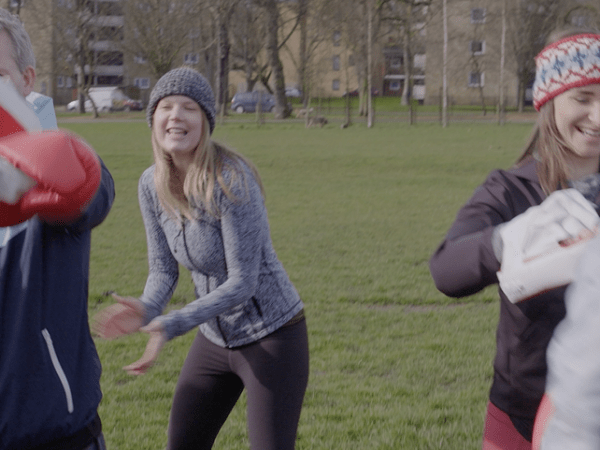
Participants Want To Be Liked By Their Trainer!
Most of us want to be liked. This has implication for Trainers and Coaches. The Trainer should not be as concerned about whether the participant likes them! Instead trainers should show interest in the participants through most of the usual approaches like; listening, encouraging, acknowledging and also paying attention to special requirements (injuries), events (marathon,…
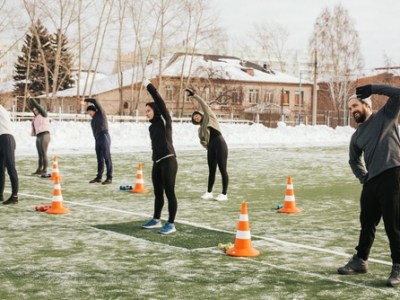
The Wonders Of Winter Workouts ❄️
Cold weather workouts may help improve endurance🏃🏽♀️, help burn more fat 🔥, plus help get you more exposure to sunlight helping to ward of seasonal affective disorder 🌞. For more benefits full article available here 👉🏼 https://www.health.harvard.edu/staying-healthy/the-wonders-of-winter-workouts

Why Choose To Use A Personal Trainer?
Group sessions also available for better value…Join in here; 🚶🏃🏽🤼🏋🏾🌳☕😁 https://ca20.black/jobu-app
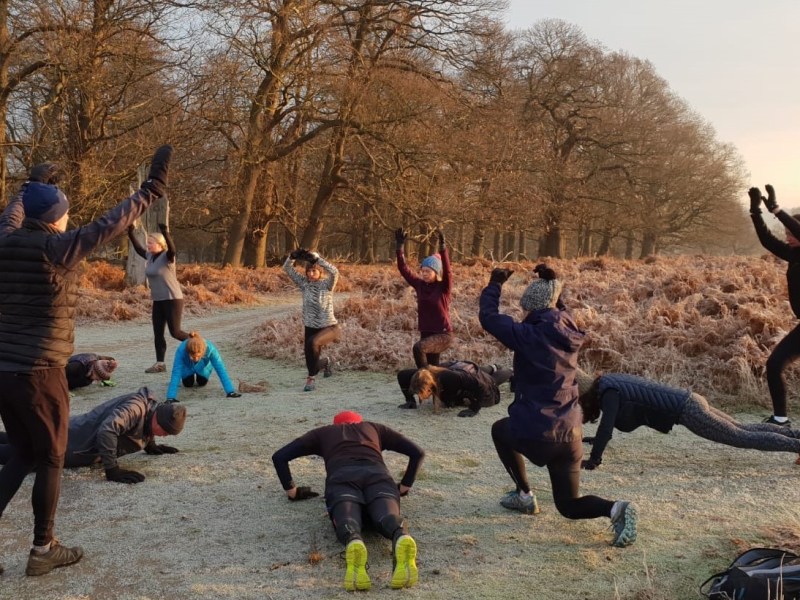
Feeling The Cold Yet? Winter Blues Coming?
Winter bugs, viruses – exercise boots your immune system Feeling the cold – invigorating workouts keep you warm for hours and strengthens your heart Winter blues – exercise boosts your happy chemicals, naturally Eating more, exercising less? – winter workouts burn more calories Benefits of Training in Cold Weather – full article🤼🏃🏾👏🏼🎄 https://www.aston.ac.uk/sport/news/tips/fitness-exercise/benefits-training-cold-weather

Don’t Go To The Gym
Don’t go to the gym … on your own. You might think only speaking to the receptionist and giving yourself time and space is good for you, however this is not a long term behaviour which is easy to sustain and misses out on many of the benefits of working out with others. Working out…

Raise your hands if you Do Not want to be unhealthy
Raise your hands if you Do Not want to be unhealthy… put them down, raise your hands, put them down, go a little faster… add a jump… keep going… “There is no situation, no age, no condition, where exercise is not a good thing”Chief Medical Officer, Professor Chris Whitty
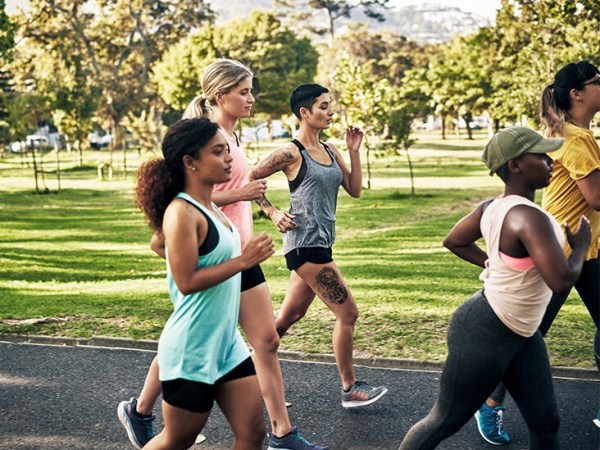
Diversity and Inclusion in Fitness – Why We Need More of It
1. Fitness Is for Everyone Contrary to what we see portrayed in fitness magazines and throughout social media, fitness is for everyone. Fitness isn’t for a particular size, gender, shape, age, or ethnicity. You don’t need to look a certain way to have a ‘fit’ body, nor do you need to possess any particular physical…

Do you Jōbu?
Jōbu 丈夫 (pr. Joe-boo) – is Japanese, meaning robust, durable, sturdy, strong, healthy. We are a social enterprise providing a free booking app for those wanting to join in fun social physical activity & for Trainers (no fees for trainers or participants). We use behavioural science to help motivate people to start and stay active.…
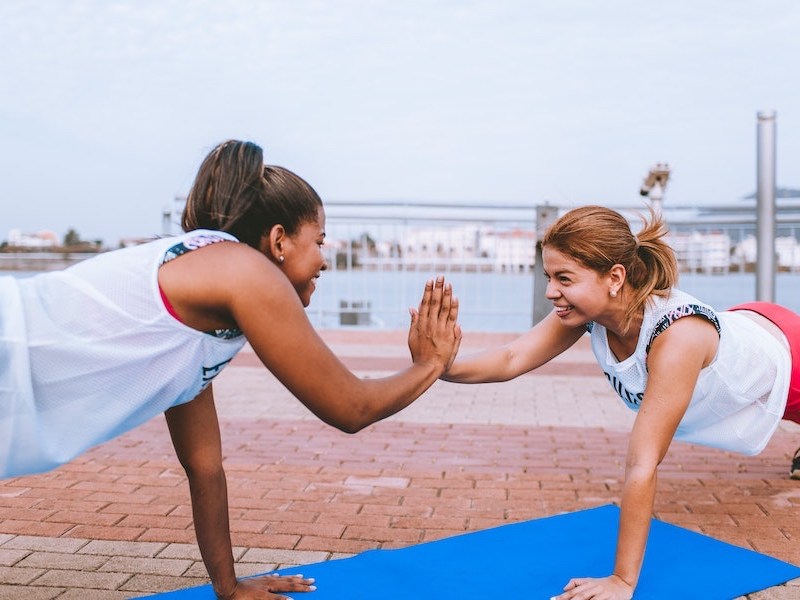
Friends With Benefits
Are you a Trainer or Coach? Do you have a referral program? How active is it? Did you know that 72% of physical activity groups get their new participants from referrals. Having an active referral program is a high priority for developing new participants. Having new participants join in means that others can make more…

Just do it or just don’t
Taking part in physical activity means; you are likely to live longer you will need the NHS less your mental health will be better you will have more confidence, self esteem and more friends your muscles and bones will be stronger blood pressure will improve, less chance of cancers, dementia, diabetes, stroke… your brain will…
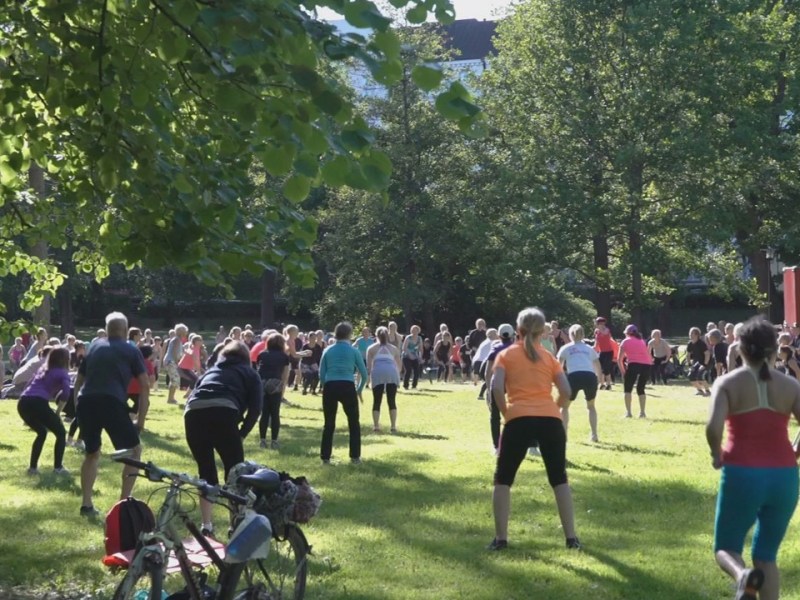
What do you do to improve your own, and others, physical, mental and social wellbeing?
One of the best gifts you can give a family member, friend or colleague is helping them improve their physical, mental and social wellbeing. A great approach to improving all these is taking part in social physical activity (SPA). Everyone has some level of fitness and it is important to maintain or improve it and…
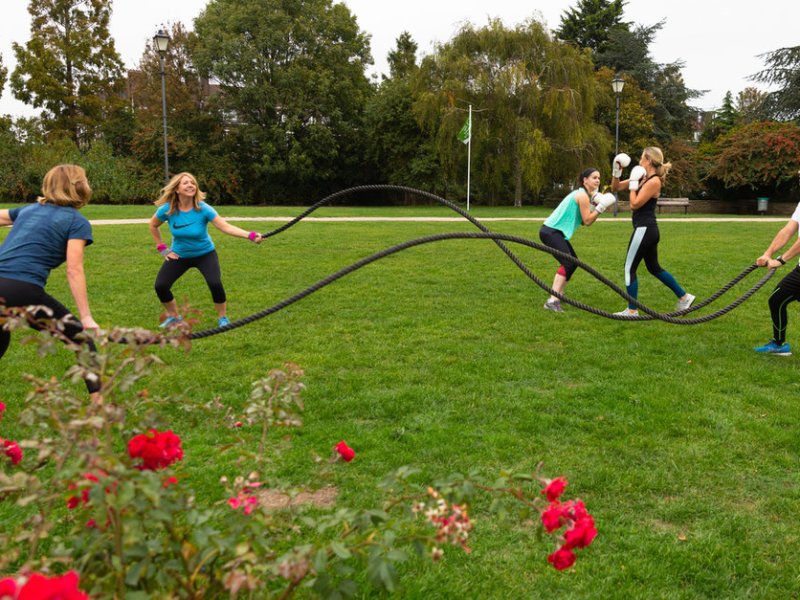
3 Social Benefits of Exercise
Confidence When you exercise, you improve your self-confidence and self-esteem. You are likely to be more open with others, more involved, and more social overall. When you stick to a routine exercise regimen and see results, the effects are powerful. As you get stronger and faster confidence follows. Knowing that you can follow through with…
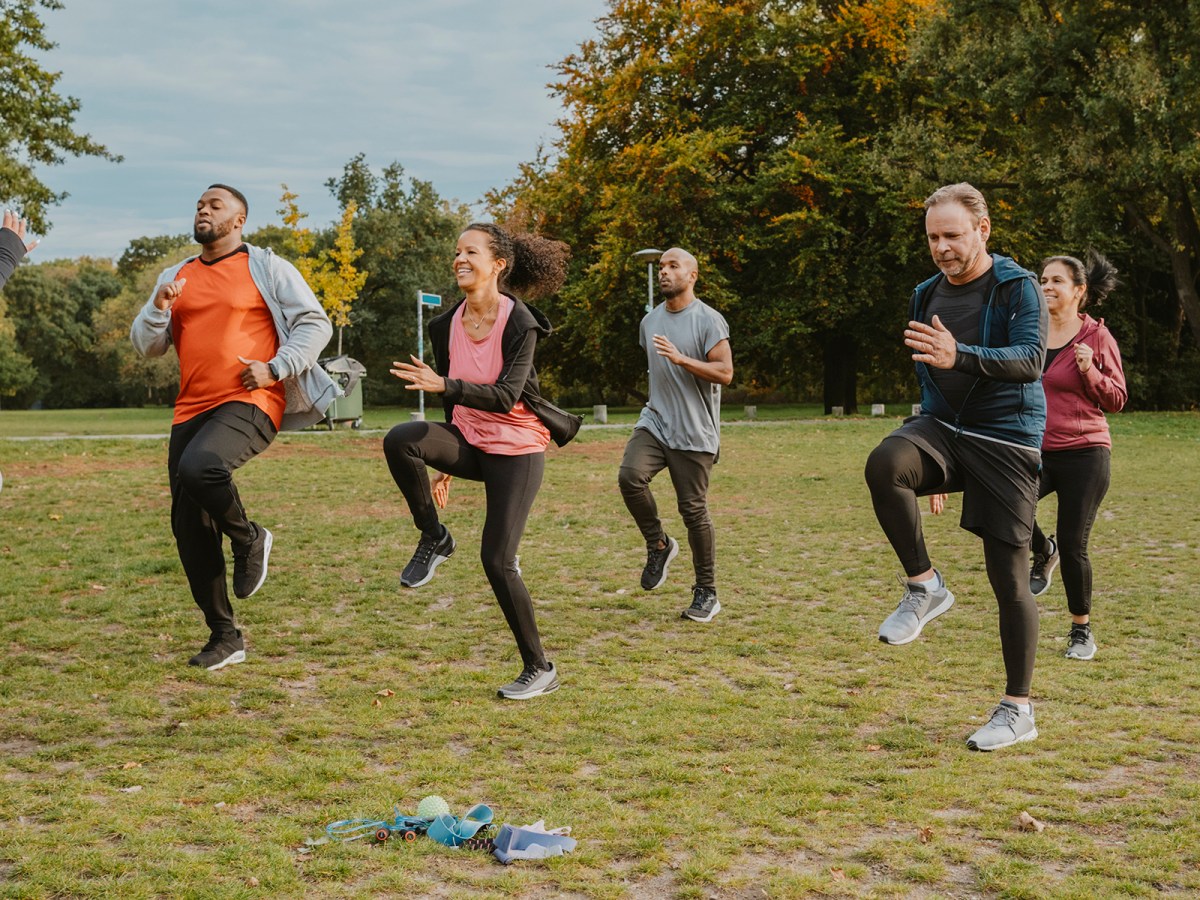
3 Reasons to Escape the Gym
YOU SIMPLY BURN MORE CALORIES OUTDOORS “You burn around 7 percent more calories running outside than indoors on a treadmill” according to Dr John Porcari, Director of the Clinical Exercise Physiology program at the University of Wisconsin, taking wind resistance, terrain and variations in temperature into account. Plus, when people train outdoors, they tend to spend longer…

YMCAfit & Jōbu Workshop – Motivation & Behavioural Science Techniques – CIMSPA 3 CPD points
Next courses, free to PTs;27/07/2022 Online25/08/2022 Central YMCA Club29/09/2022 Online20/10/2022 Central YMCA Club17/11/2022 Online15/12/2022 Central YMCA ClubContact me or register here; https://www.ymcafit.org.uk/courses/jobu-workshop
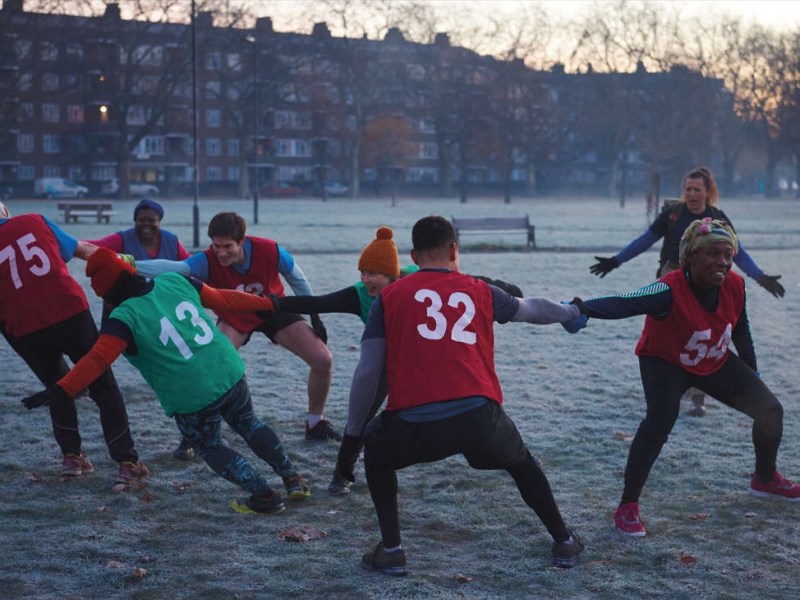
Effects of Physical Activity on Trust
Those who take part in physical activity exhibit more trust and prosocial behaviours than those who do not. This is the findings of the research paper from Stefano Papa Ph.D, Sapienza University of Rome. Physical activity reduces anxiety and stress, promoting cooperation. Also, people who share the same, even individual, experience enhance their prosocial Behavior.…
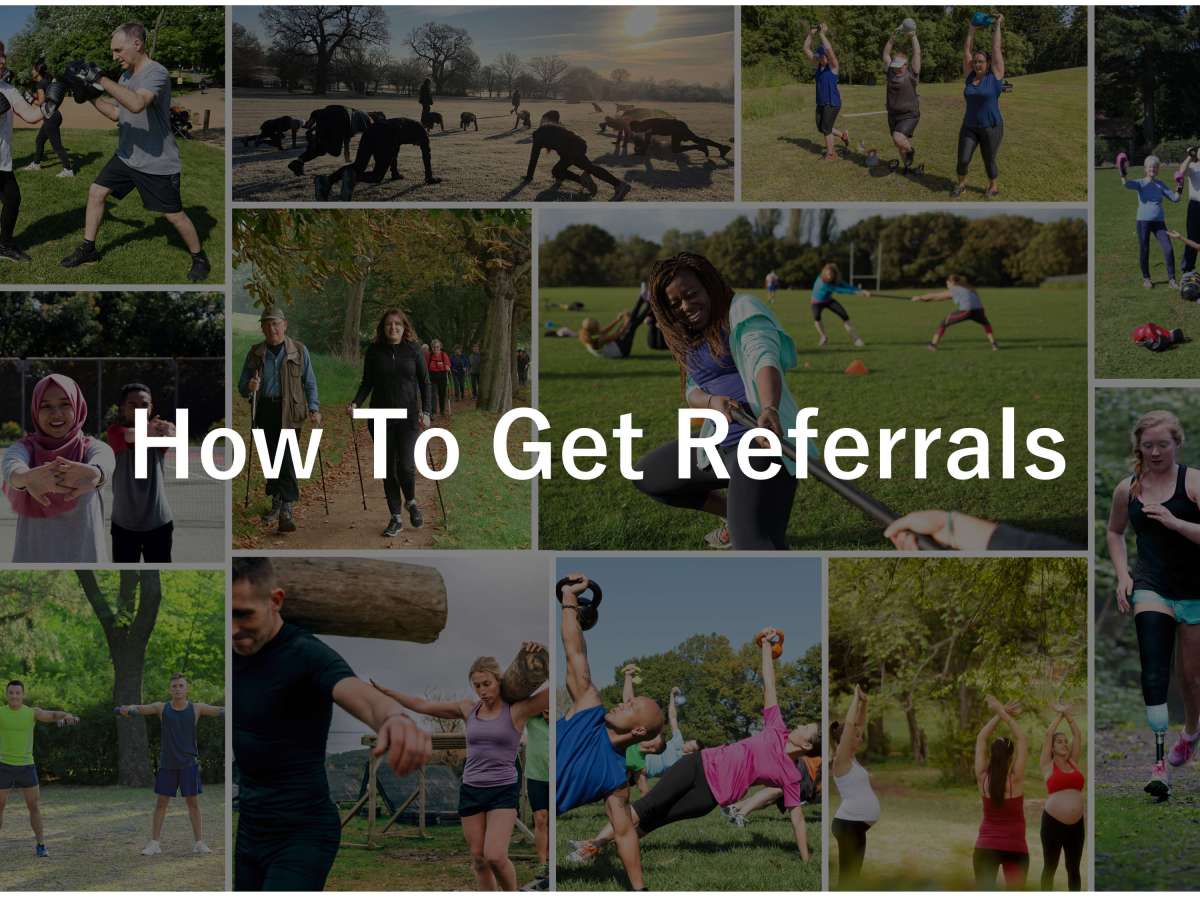
How To Get Referrals
Sophie Leming, MSc Health Psychology, MSc Human Movement Science, a great friend and supporter of Jōbu has created a paper to support the physical activity industry. Referrals are the lifeblood of a Trainers business. Healthy physical activity businesses = healthy local community = less use of the NHS, more trusting communities, less crime, better local…
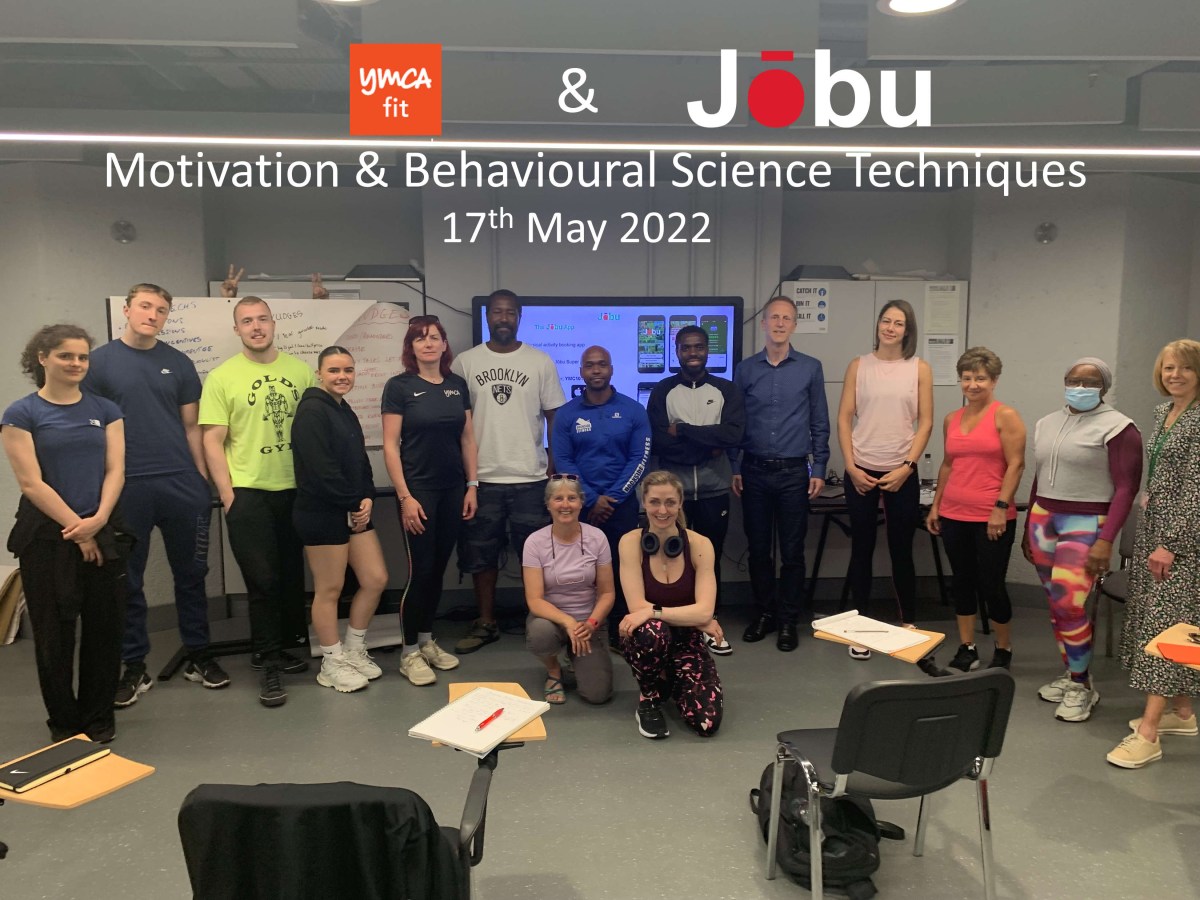
The First YMCAfit & Jōbu Workshop
Yesterday was the first YMCAfit & Jōbu workshop, ‘Motivation & Behavioural Science Techniques To Get People Active’ Taking place at the YMCA gym in Tottenham Court Rd, London. Attended by a diverse group of people who are making a positive impact on their local community. If you too would like to become a local Super…
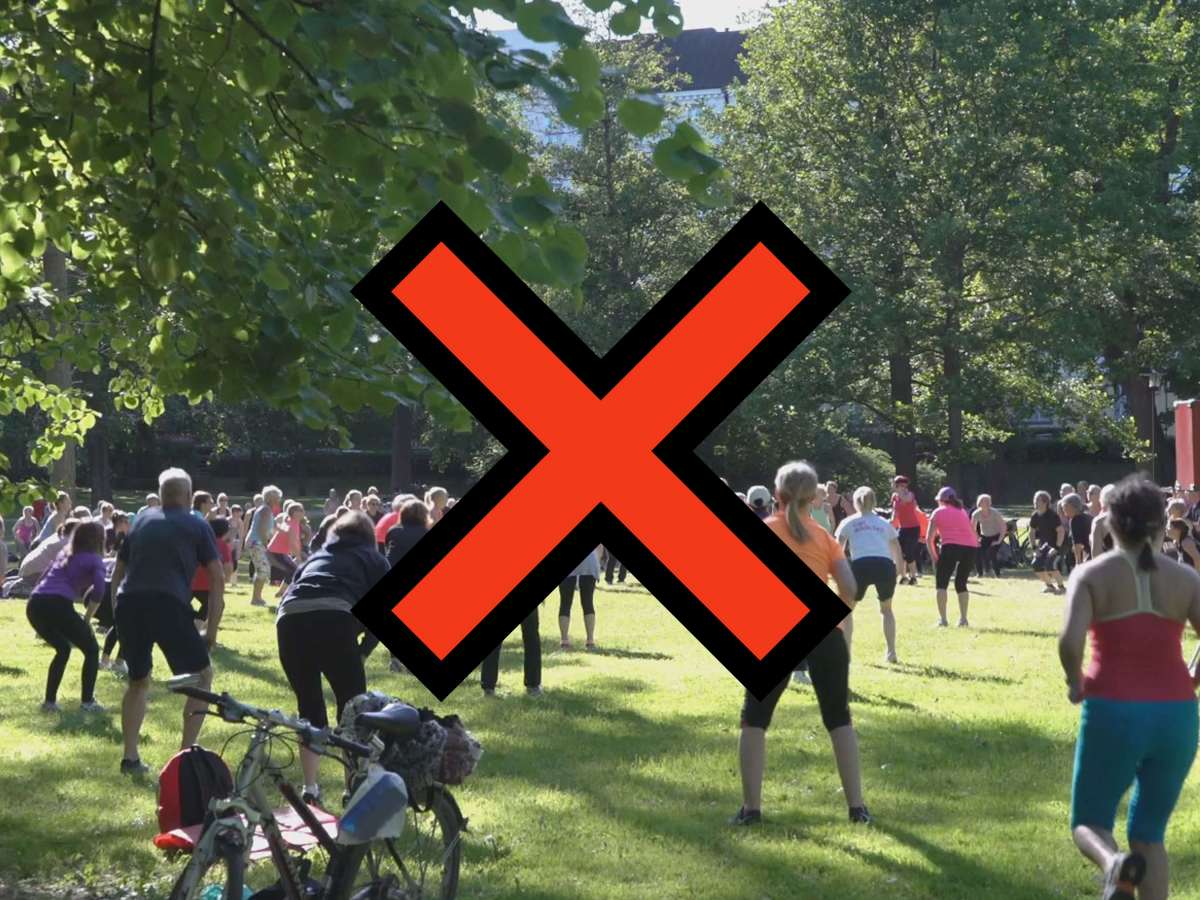
Why you SHOULD NOT WORKOUT regularly…
– you might pull a muscle – getting sweaty makes you unhuggable – it can make you tired – others might stare – you have a disability or injury – you might look like you can help others – you won’t get to see your favourite Doctor so often – you won’t need to shower…
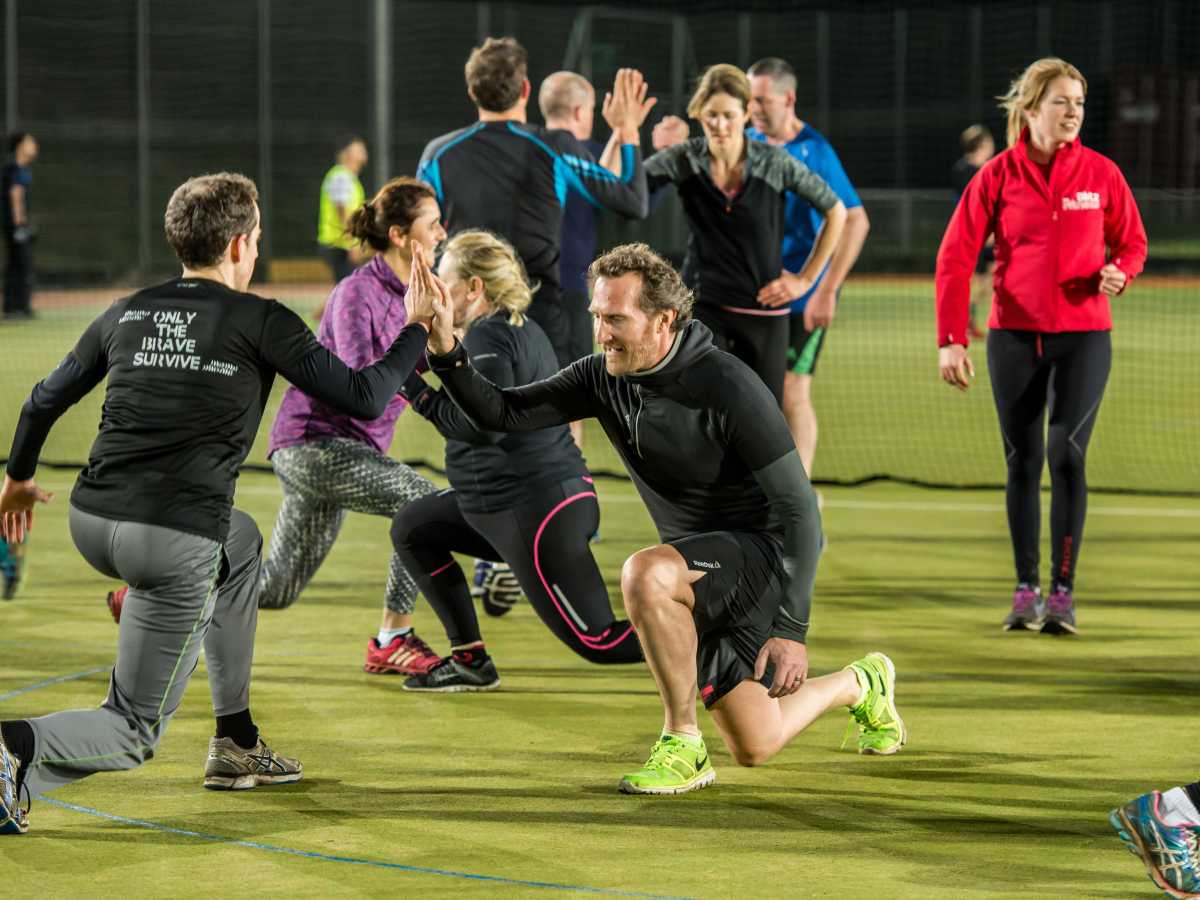
Why should you join a group?
As social animals, we have a “need to belong”. We might not experience this need consciously or even be aware that we have it but it resides deep within us nonetheless. Belonging to a group and feeling identified with those in that group is an important aspect of our identity and sense of self. Our…
How Benevolence and Supporting Charity Improve Wellbeing
Being benevolent is often intrinsically motivated. Being kind, giving to charity instils a sense of satisfaction, self worth and self esteem, leads to improved prosocial behaviour and ultimately improved wellbeing for those behaving benevolently and those they influence. Research and more details 👐😇🦸♂️🦸🏿https://charterforcompassion.org/being-charitable-toward-othershttps://www.cafonline.org/my-personal-giving/long-term-giving/resource-centre/five-reasons-to-give-to-charityInfluence and Benevolence
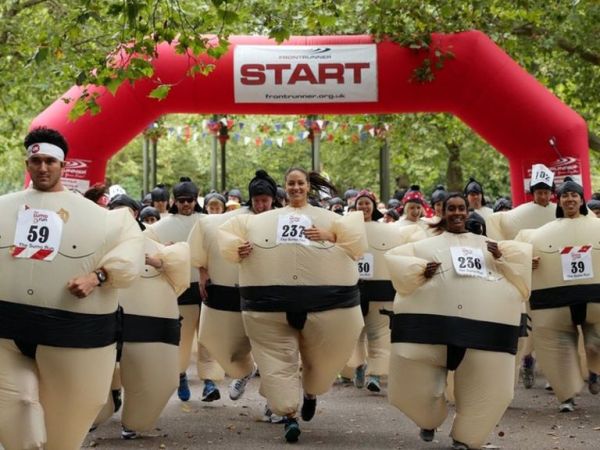
How a charity challenge can help your fitness goals
According to experts, having a goal to work towards can give new direction and help push you towards achieving new skills and benchmarks in your workouts. When we start exercising, we often do it for external reasons such as wanting to change our weight or the way we look. But finding other, more meaningful, motivations…
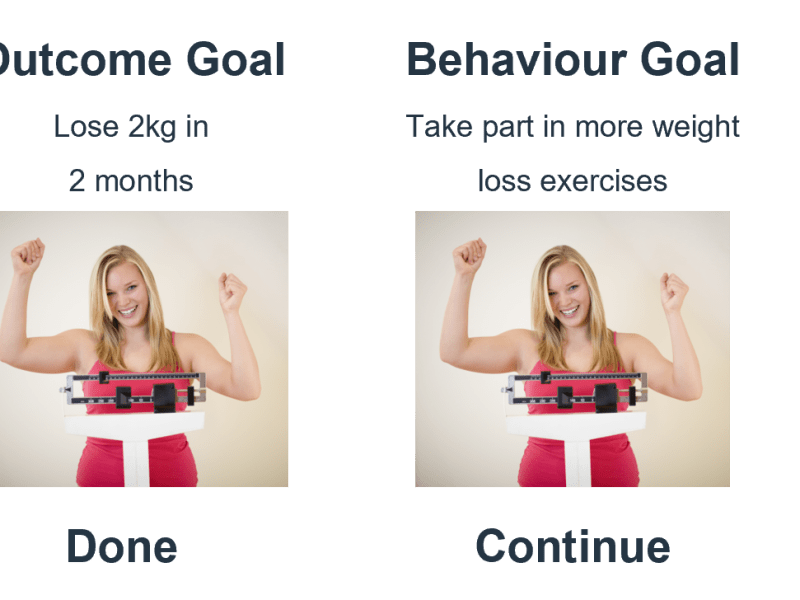
Behaviour vs. Outcome-Based Goals – Which are best?
Behaviour-based goals are typically changes we make to how we act, they focus on how we personally feel and behave, rather than just looking purely at the outcome of our actions. Outcome-based goals are changes we make to our performance, They focus on the outcome of our actions, rather than how we feel about performing…
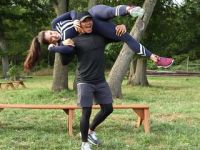
7 Benefits Of Having A Workout Partner
1. Staying Motivated 💪🏼 All we need is a little bit of encouragement to help us push out that last rep, run that bit faster, go the extra mile, or hang in there for another minute, Having a workout partner can help inspire you to keep going and get even better. 2. Friendly Competition 🏃♀️🏃♂️…
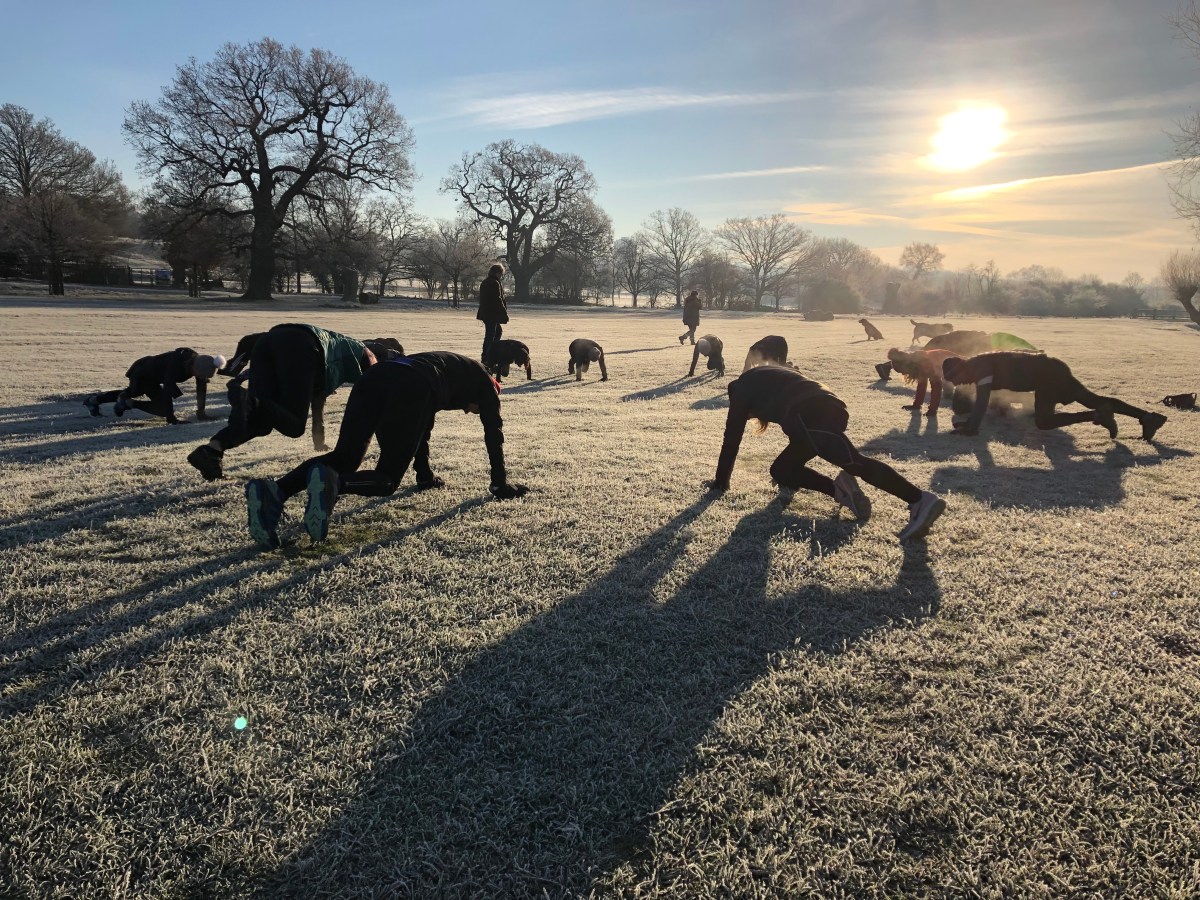
Setting goals and staying motivated during January 💪🏼🏃🏽♂️🏃🏽♀️
Set Objective and Subjective Goals Objective goals focus on quantitative outcomes—tangible aspects of exercise or fitness that we can measure and see. Subjective goals focus on qualitative outcomes—feelings or perceptions we want to experience in regard to exercise. Subjective goals are important because they help uncover the root “why” of our objective goals. Research by Dr. Michelle Segar and…

The benefits of exercising outdoors during winter
Research conducted in Finland found that training outdoors has a positive impact on our sleep quality, physiological health and mental wellbeing – with the latter observing the greatest effects. In the summer, our bodies rely on the sunshine for a hearty dose of Vitamin D which is important in keeping our muscles, bones and teeth healthy. In the…
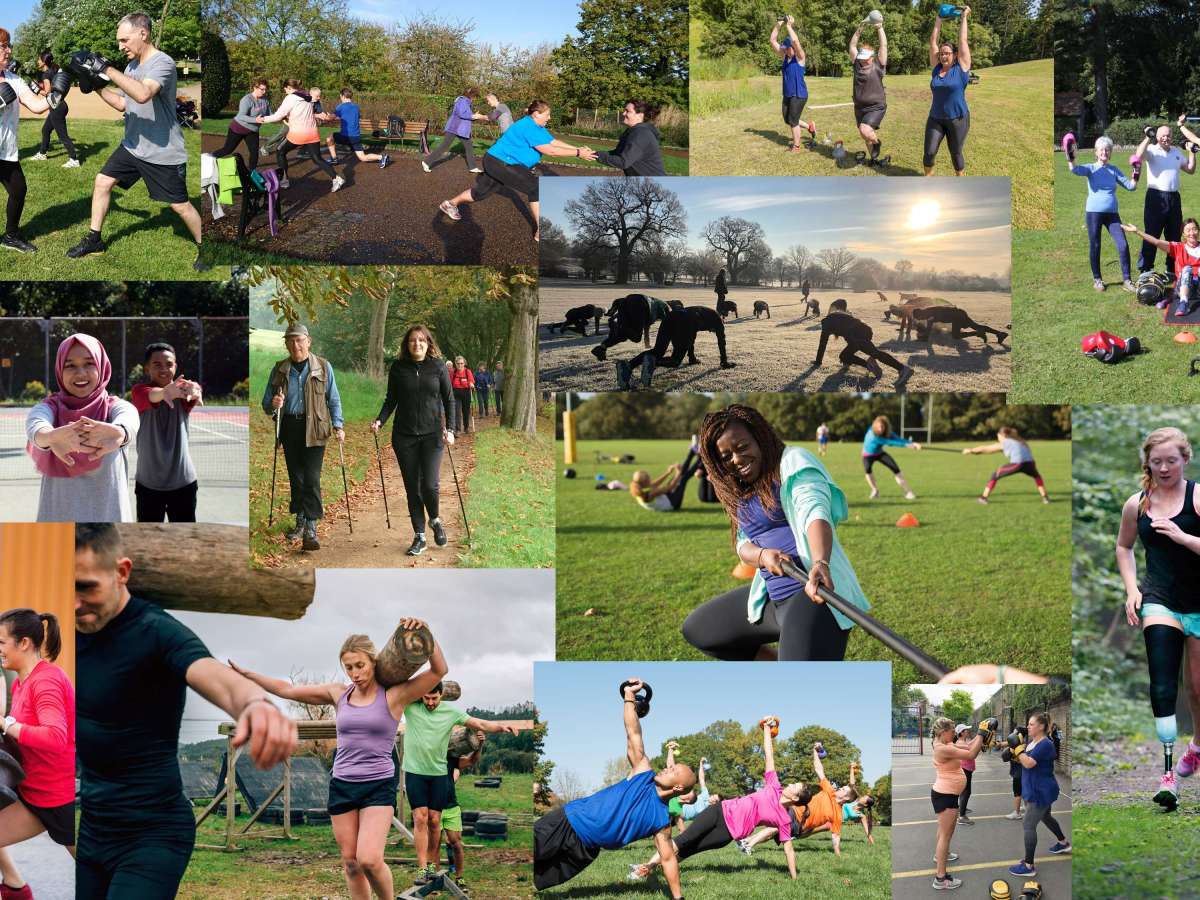
Why have diversity in physical activity groups?
Creating an environment that supports a psychologically safe climate enables individuals to; perform at their best, increase confidence and self esteem, support others and make the group experience more enjoyable. Creating a psychologically safe climate for a group of similar people is important. There can be additional benefits for a diverse group too… Here are…

Managers/Coaches/Personal Trainers – Get In … trinsic!
Helping to move staff/colleagues/clients to being intrinsically motivated means they will work harder, stay longer and more. Extrinsic rewards are great to promote initial action but they don’t encourage ongoing positive behavior change. Intrinsic motivation is related to performance, work effort, creativity, retention and higher … satisfaction. As Managers/Coaches/Personal Trainers you can make this happen by designing an environment…
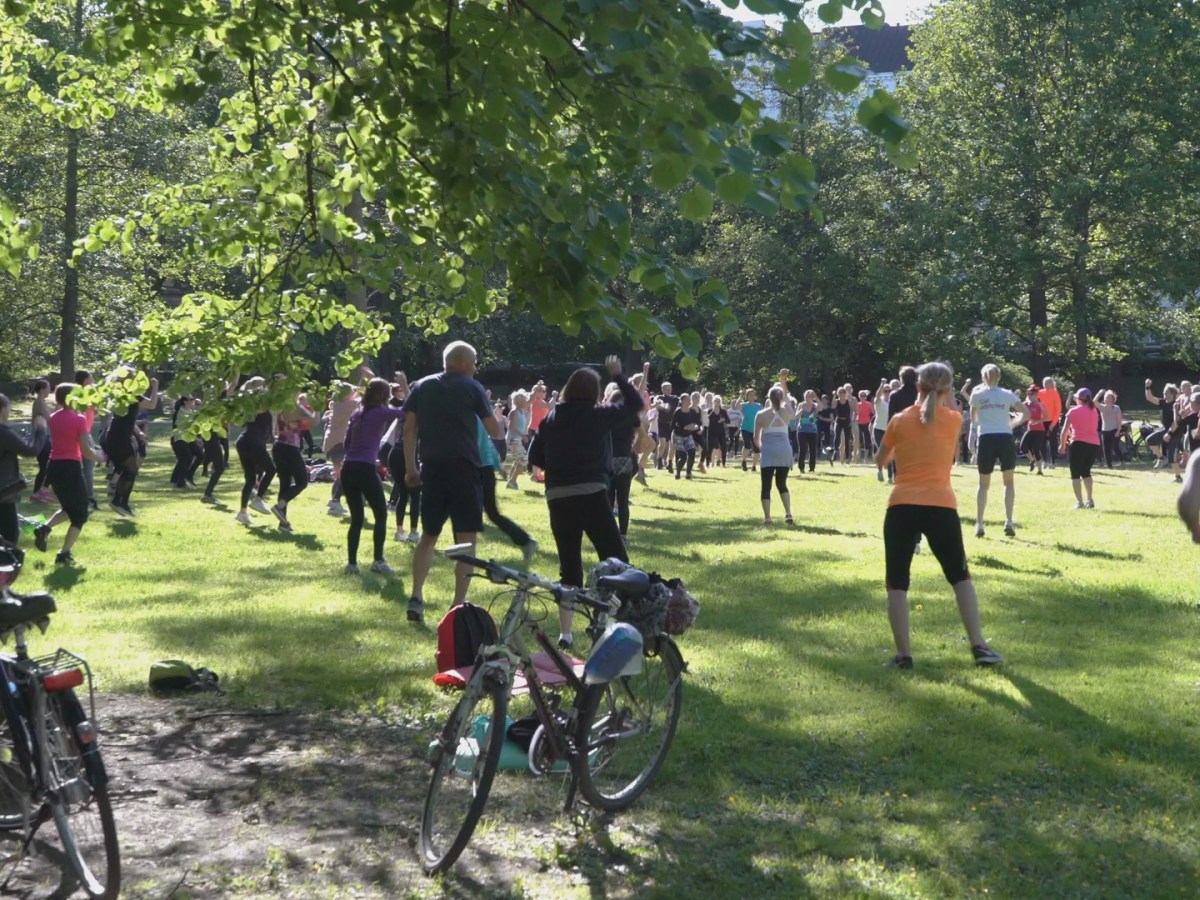
Come on down, join in the fun!
Taking part in physical activity is about getting healthy, physically, mentally and socially … and having fun! Moving the emphasis of taking part in physical activity to joining a session/class for; Support, Socialising, Autonomy, Competency and fun, can change it to an activity that you want to take part in. Most Coaches/PTs help participants with…
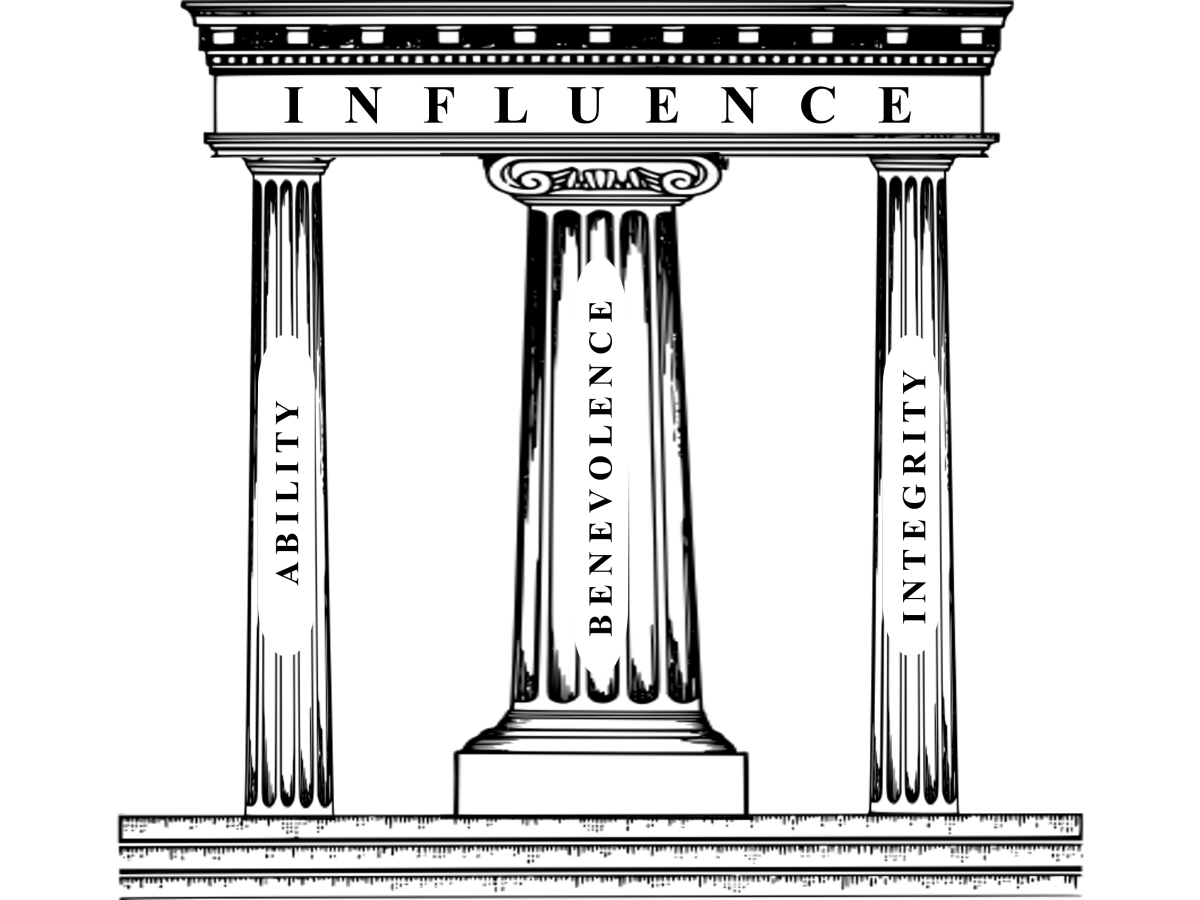
Influence and Benevolence
3 Degrees of Influence follow up post… To build influence you need ability, integrity, and benevolence. Ability; Delivery – Your own personal expertise to be able to get the job done to the right level of satisfaction for the customersCoaching – Your ability to be able to share your knowledge with others, to help develop…

3 Degrees of Influence
Your behaviour not only influences your direct friend it influences your friends’ friends’ and your friends’, friends’, friends … and their behaviour influences you! Three Degrees of Influence is a theory in social networks, proposed by Nicholas A. Christakis, Professor of Social and Natural Science at Yale University, and James H. Fowler, Professor of Medical Genetics and Professor of Political Science…
Can physical activity improve prosocial behaviour?
Regular physical activity in adults can promote good health, improve cognitive function, and prevent disease. Abundant research from the health and exercise science literature also presents empirical evidence of positive “non-health effects” induced by physical activity or sports participation. Among the non-health effects, physical activity improves life satisfaction, happiness, subjective well-being, mental health, and interpersonal…
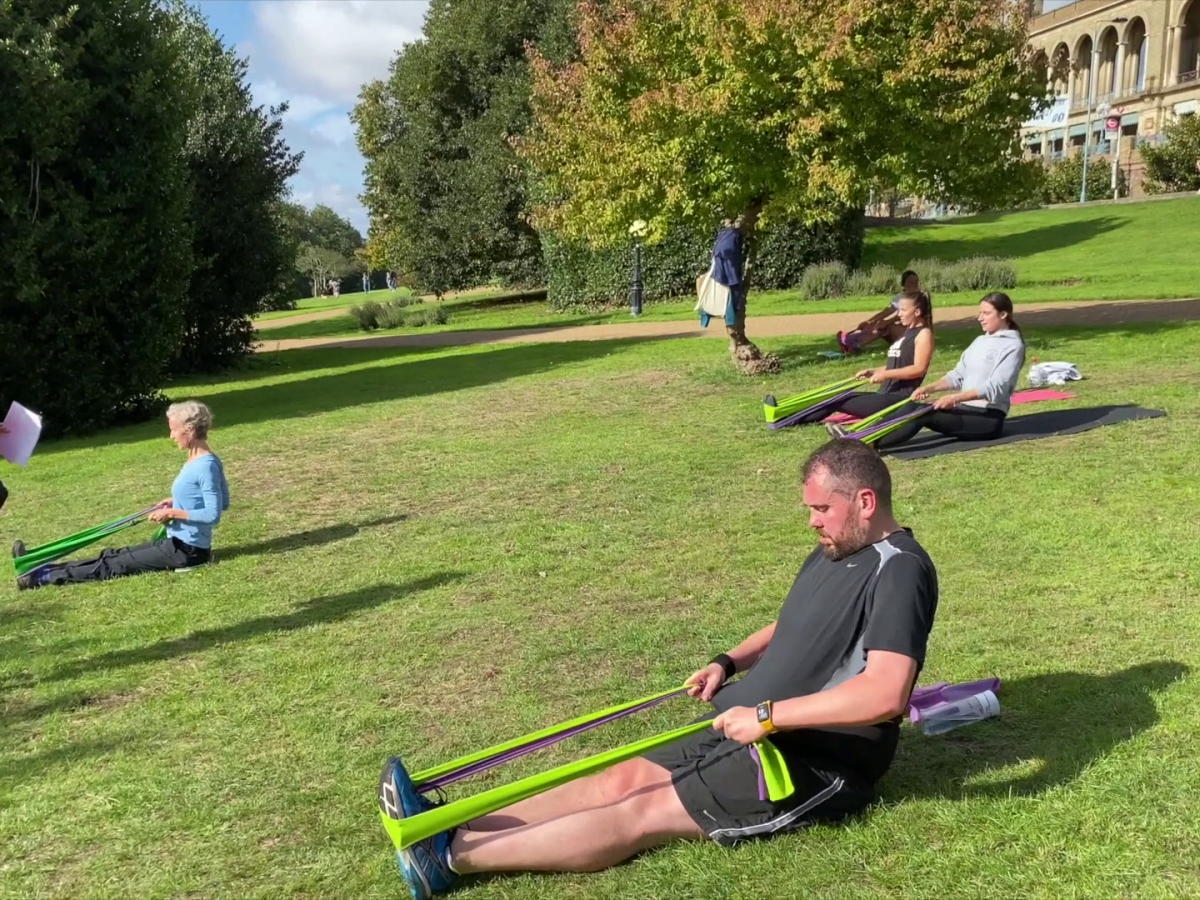
What do you know?
Do you learn something from your physical activity PT/Coach? PT’s and Coaches have formal training and posses knowledge that should be shared with those taking part. The knowledge comes from formal certification/qualifications and experience. Sharing that knowledge shows a level of Competence and Relatedness towards those taking part. Learning is a great motivator increasing the…
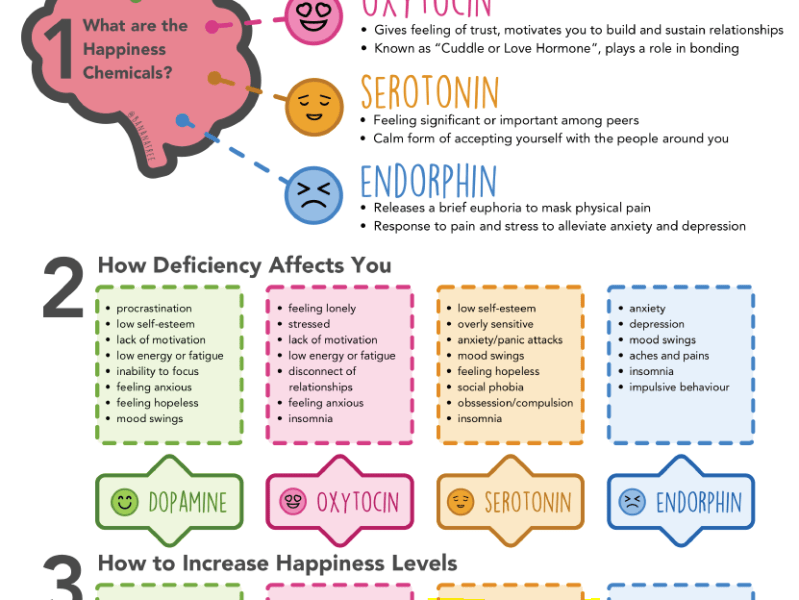
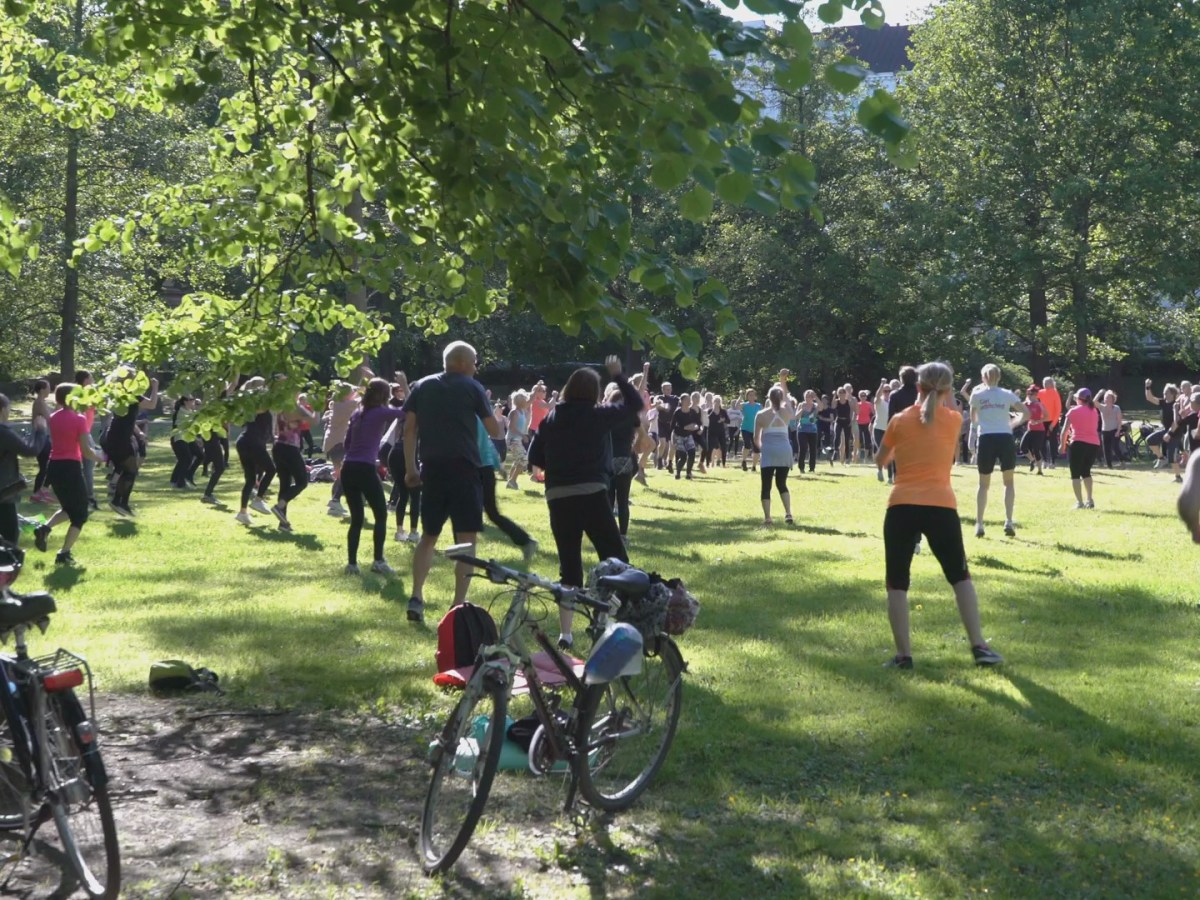
What is your prevention strategy for health issues?
How will you prevent future physical, mental and social health issues? One way is to take part in social Physical Activity🤼 “If physical activity were a drug, we would refer to it as a miracle cure, due to the great many illnesses it can prevent and help treat.”Chief Medical Officer, 7 Sep 2019 Everyone has…
Want to do some physical activity … nudge, nudge?!
Social – join in group physical activity, go alone or with family, friends, colleagues Inclusive – find an activity that looks and sounds welcoming Affordable – look for discounts and free sessions, there are plenty around Rewards – go because it looks like it could be fun! Goals – set yourself some nice easy short…
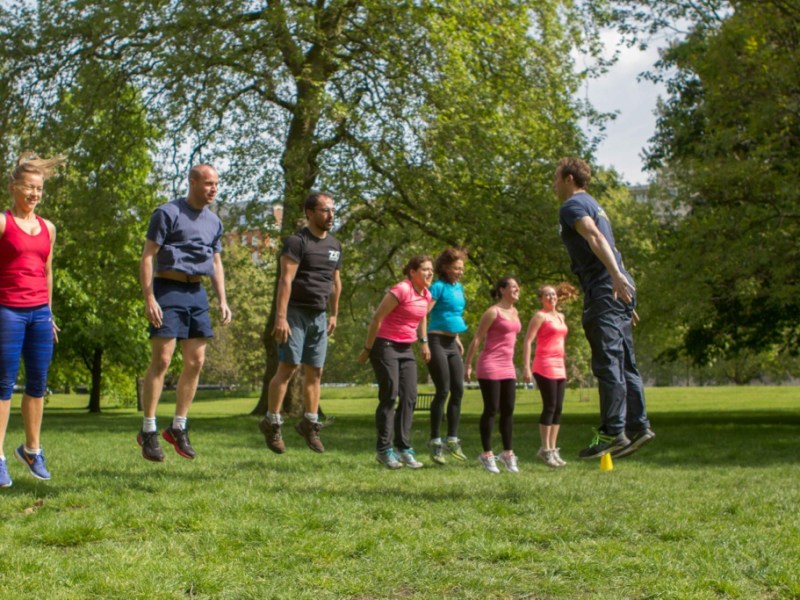
Why nature is good for you, your friends, colleagues and the NHS!
Whether connecting with nature through walks in the woods or alongside a river, or even better, working out in a group, your physical, mental and social wellbeing, as well as that of your friends and colleagues, will be improved. Thus, reducing your need for the NHS! Here are snippets from 3 research studies 🌳👩🏽🎓🤸🏽; 🌳👩🏽🎓🤸🏽 …

PAAC – Physical Activity Against Covid
How you can fight Covid Variants and be a Local Super Hero … “Regular, moderate to vigorous physical activity is associated with reduced risk of community-acquired infectious diseases and infectious disease mortality, enhances the first line of defence of the immune system, and increases the potency of vaccination.” Effects of Regular Physical Activity on the…

Can Physical Activity Increase Brain Processing Speed?
Moderate physical activity is linked to thinking faster, increased attention span, improved problem solving abilities and improved working memory across all age groups. The effect increases with age. A single bout of physical activity increases cerebral blood flow and neurotransmitter (dopamine/endorphin) levels, resulting in increased levels of arousal, attention and effort, which in turn positively…
How can physical activity increase self esteem?
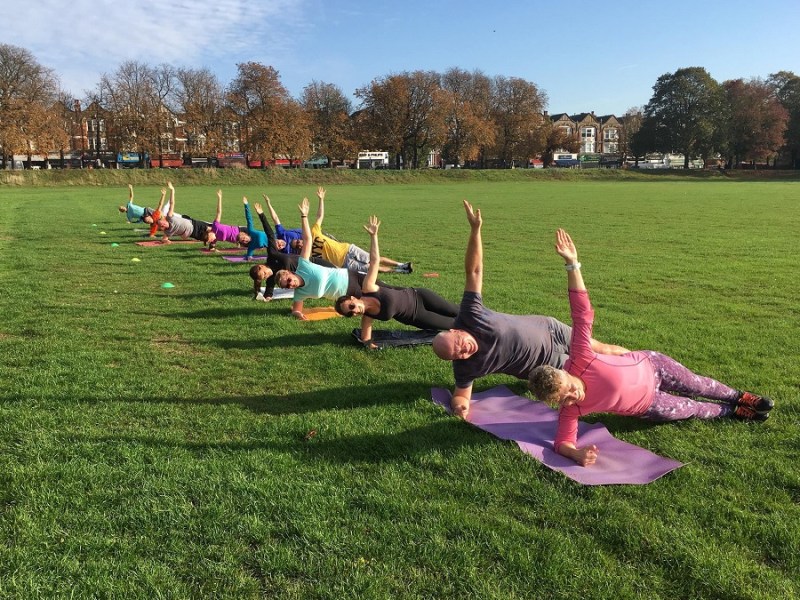
There is a strong connection between social physical activity and self esteem. Self-esteem is not just high self-regard, but a natural high that we feel when included in groups. It is fundamental to psychological wellbeing and a key indicator of emotional stability. High self-esteem is associated with a number of positive characteristics such as independence,…
Intrinsic & Extrinsic Goals in Physical Activity
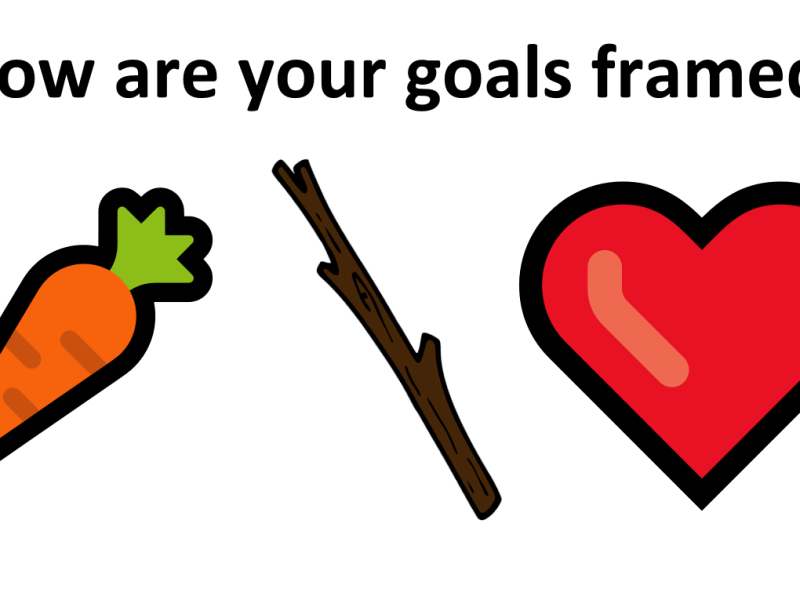
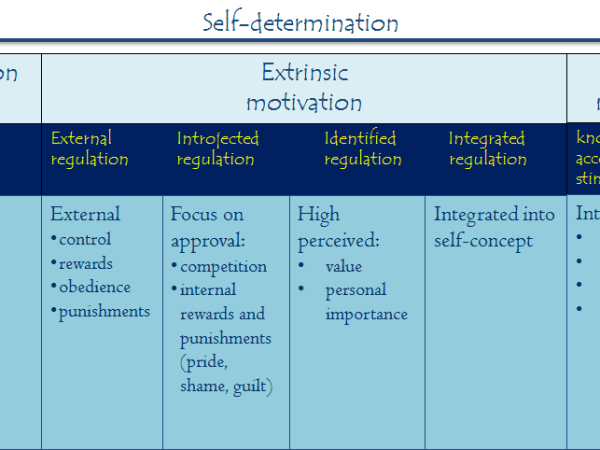
Intrinsic motivators – the ultimate in being happy, short, medium and long term. Examples include; exercising/ socialising with others, feeling valued, increasing knowledge, having autonomy (actual/perceived), knowing you are physically healthier, enjoying physical challenges. Extrinsic motivators – useful short term for getting started, achieving a short term goal, immediate encouragement. Examples include; free session, coffee…

Social and economic value of community sport and physical activity
From Sport England and Sheffield Hallam University … for every £1 spent on community sport and physical activity, a return on investment (ROI) of £3.91 was created for individuals and society. More than £3.6bn worth of savings were generated by the prevention of 900,000 cases of diabetes, while a further £3.5bn of value was generated through…
Learning as an intrinsic motivator for physical activity
Providing knowledge to those taking part in physical activity means; Participants have more interest in what/why they are doing PT Participants have a another reason to come to sessions (to learn) Participants increase their confidence Participants are more likely to share the knowledge if they have something interesting to offer This help’s participants develop ‘Knowledge…

Tips for overcoming common barriers to regular exercise
Everyone has some level of fitness. It is important to keep it, not lose it! Weather you start small or already exercise, keeping fit and healthy is good for you, your family and friends, your colleagues and the local community. You will visit the doctor less, you will fight off any coughs, colds and diseases…
Individuals physically active from midlife show a reduced later risk of cognitive impairment.
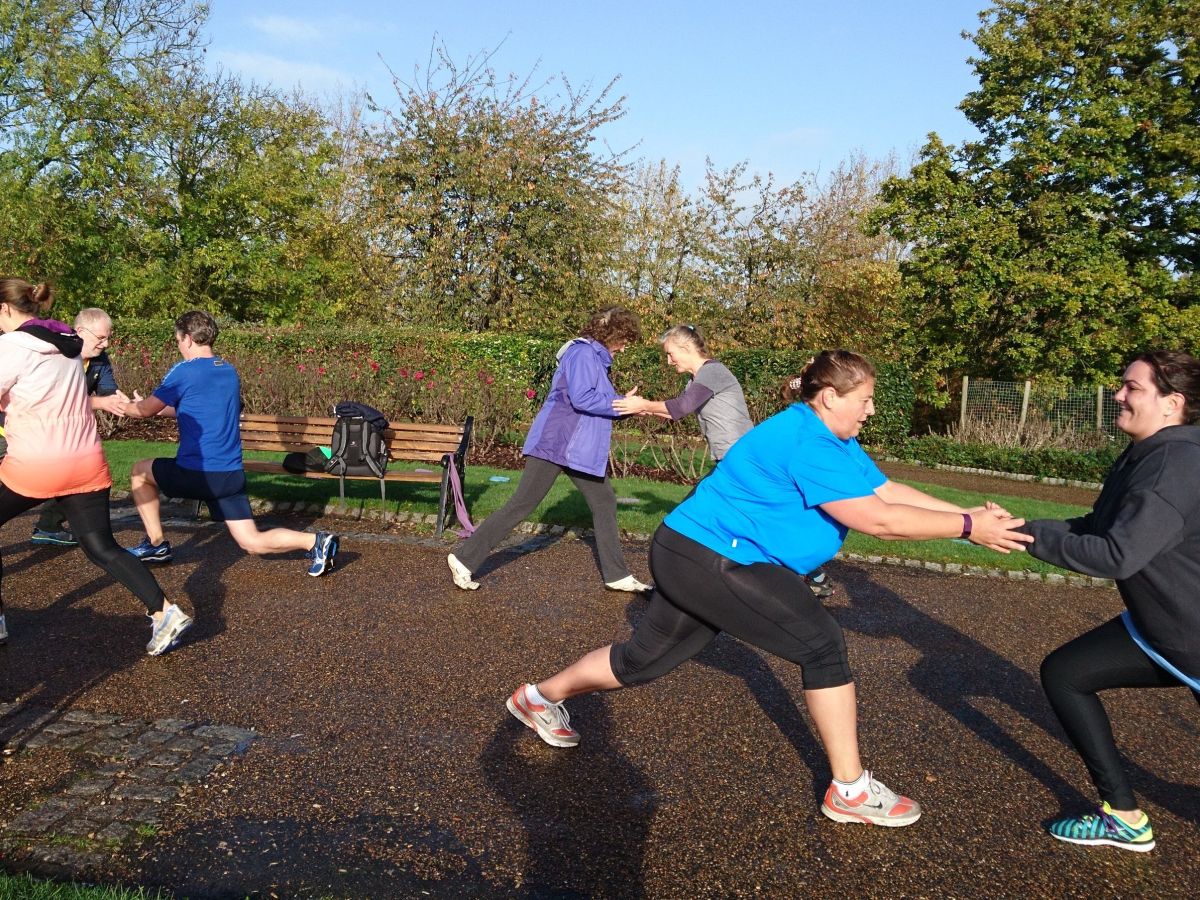
The cognitive benefits of PA are highlighted by epidemiological, neuroimaging and behavioral studies. Epidemiological studies identified PA as an influential lifestyle factor in predicting rates of cognitive decline. Neuroimaging studies documented attenuation of age-related brain atrophy, and also increase of gray matter and white matter of brain areas, including frontal and temporal lobes. These structural…
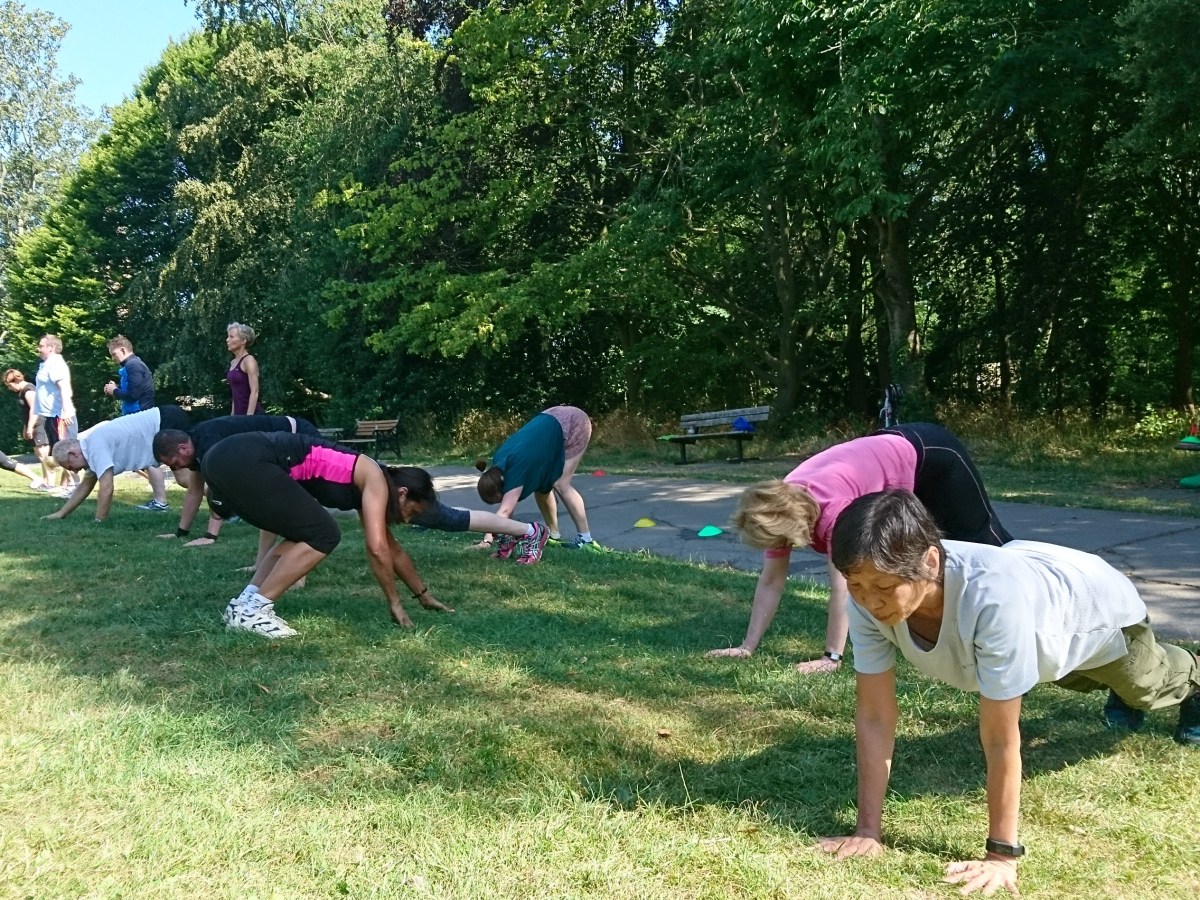
Promoting physical activity amongst older adults…
Enjoyable and fun! – This is what adults between 50 to 87 wanted most from physical activity sessions. This study asked active older adults what motivated them to be active and asking inactive older adults what might encourage them to change. The study also noted the fact that both motivated and unmotivated older adults need…

How to look after your mental health using exercise
Did you know that physical activity is also beneficial for your mental health and wellbeing? We need to change the way we view physical activity in the UK in order not to see it as something we ‘have to do’, ‘should do’ or ‘ought to do’ for our health, but as something that we do…

Behavioural strategies to increase physical activity in adults
Consider the use of effective low-cost motivational and behavioural strategies for increasing physical activity. Behavioural and motivational approaches to increase the likelihood of enduring behaviour change include; increasing motivation, self-efficacy, sense of control over physical activity, using a personalized approach with social support and setting of meaningful goals. These strategies can lead to increases in…

Physical Activity – People first, training second
Requirements for Successful Behaviour Change Help people develop; 1. Desire (want to do it – includes allaying COVID-19 fears, will put in the effort, have made it a priority) 2. Knowledge (know what to do, when, where, how) 3. Skills (can do it properly/effectively) Here are the details 🤹🏽 https://www.ptdirect.com/training-design/exercise-behaviour-and-adherence/the-requirements-for-successful-behaviour-change
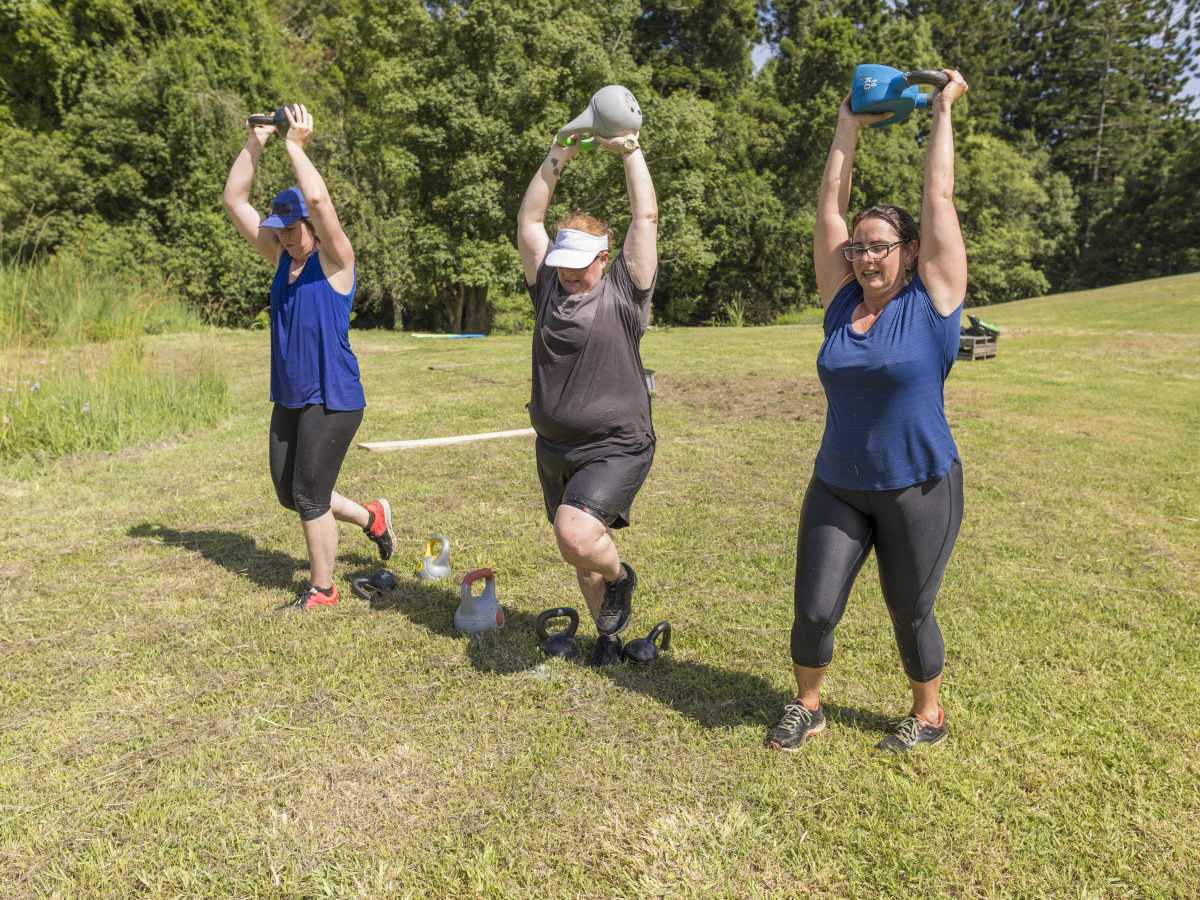
Increasing the Adherence to Exercise if you have a High BMI
Multiple short bouts of activity (i.e. 10 minutes) are at least as effective in facilitating exercise adherence and weight loss, as a single long bout (i.e. 40 minutes) 🤼♂️⏱ Research article; https://www.ncbi.nlm.nih.gov/pmc/articles/PMC2968119/ #WeAreUndefeatable #ThisGirlCan #EveryMindMatters #Active10 #Change4Life #HealthierYouRM #ParkRunUK #MemoryWalk #AlzheimersSoc #BritishLungFoundation #BloodCancerUK #BreastCancer_UK #DiabetesUK #ParkinsonsUK #SportinMind #StreetGames #theStrokeAssociation #CentralYMCA
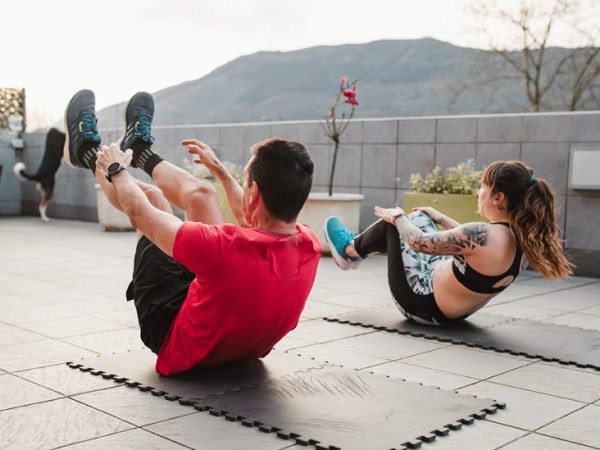
The Importance of Fitness Buddies
If there were a way to double your chances for fitness success, would you be interested? How about a technique to make exercise more fun? A tool that automatically creates space and time in your busy schedule for workouts? A proven way to help you out of a rut or through a plateau? Full article 🤼♂️…
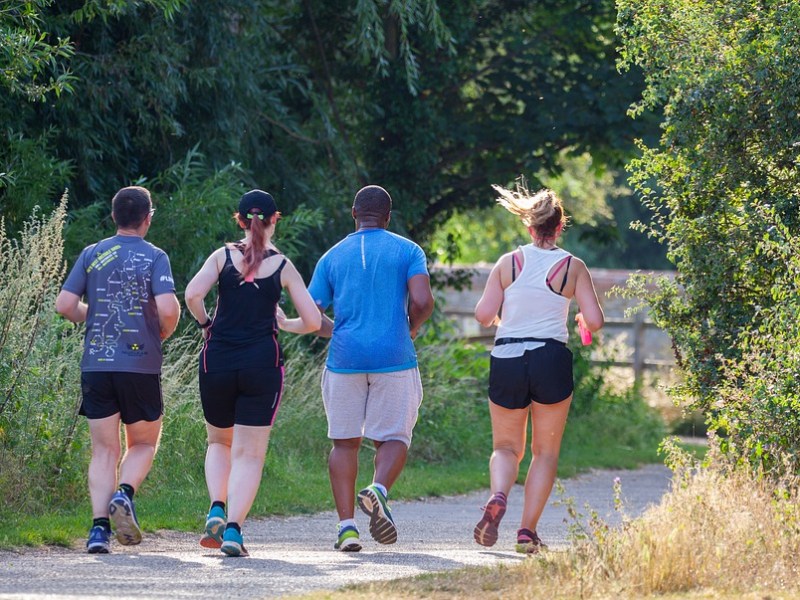
How to Improve Attendance and Adherence
What is the optimum frequency, intensity and duration of a session? Full article here ⏲️ https://www.ptdirect.com/training-design/exercise-behaviour-and-adherence/how-personal-trainers-can-improve-attendance-and-adherence #fitness #workout #gym #training #fitnessmotivation #fit #health #exercise #weightloss #strength #healthylifestyle #pt

Why group exercise is so effective: The psychology behind working out with others
Full article here 🏋️♂️🏋🏽♀️🚶🏽🧗♂️ https://www.inquirer.com/health/wellness/group-fitness-philadelphia-competition-workout-20191104.html #WeAreUndefeatable #ThisGirlCan #EveryMindMatters #Active10 #Change4Life #HealthierYouRM #ParkRunUK #MemoryWalk #AlzheimersSoc #BritishLungFoundation #BloodCancerUK #BreastCancer_UK #DiabetesUK #ParkinsonsUK #SportinMind #StreetGames #theStrokeAssociation #CentralYMCA
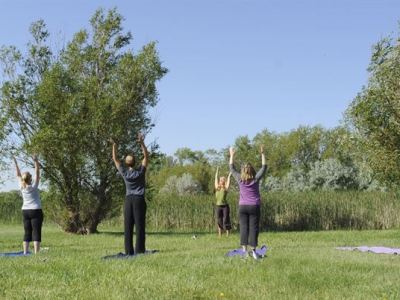
Social Bonds and Exercise: Evidence for a Reciprocal Relationship
The studies showed that moderate intensity group exercise leads to cooperative social bonds among participants and that cues to group bondedness lead to a psycho-social environment where exercise ability is enhanced. See more here…👭🏾 https://journals.plos.org/plosone/article?id=10.1371/journal.pone.0136705#sec017 #exercise #fitness #gym #health #workout #bootcamp #wellbeing #outdoorexercise #physicalactivity #mentalhealth #fitnessfollow #fitnessgoals #personaltrainer #getfit #socialfit #fitnessmotivation #fitnesstrainer #mentalwellbeing #socialwellbeing
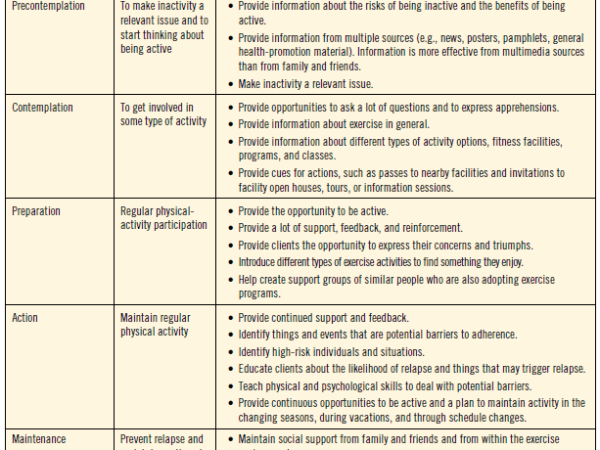
Motivation and Behaviour Change Strategies for Exercise Adherence
Precontemplation, Contemplation, Preparation, Action, Maintenance.Specifically the section on ‘maintenance’ is worth considering as we come out of lock down, moving back to face to face, or from low/non attendance back into a well- being program. Here is the method 🤔 https://www.acefitness.org/fitness-certifications/ace-answers/exam-preparation-blog/3808/motivation-and-behavior-change-strategies-for-exercise-adherence/
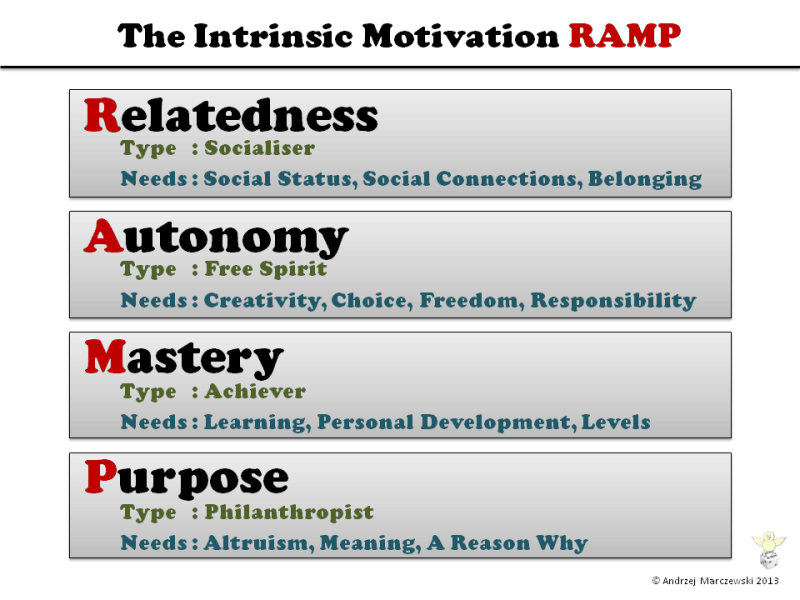
Personal Trainers: Motivating Clients?
How to motivate clients?… alternatively… How can I create the conditions within which clients will motivate themselves? The following notes are based on Psychologists Edward Deci and Richard Ryan model of the key components that drive intrinsic motivation, called ‘self-determination theory’. Extrinsic rewards are a great short term motivator. Praise and recognition are an important…

Motivation and the first steps toward physical activity
Helping those uninterested and unmotivated to get started…Monitor, Review, Set a Goal, Choice… University of Helsinki study here 🚶♀️ https://practicalhealthpsychology.com/2019/01/motivation-and-the-first-steps-toward-physical-activity/
Something went wrong. Please refresh the page and/or try again.
Members and supporters of…

 ca20.black